Good read-aloud language feels natural in the mouth
A picture book is often heard before it is read independently, so sound matters. Sentences should be clear enough to follow and varied enough to keep the ear interested. Rhythm does not require rhyme. Repeated structures, contrast between short and long sentences, and well-placed pauses can all help. Before choosing a book, read one page aloud. If the language feels awkward to say, it may also be harder for a child to follow across repeated readings.
Pictures should create places to pause
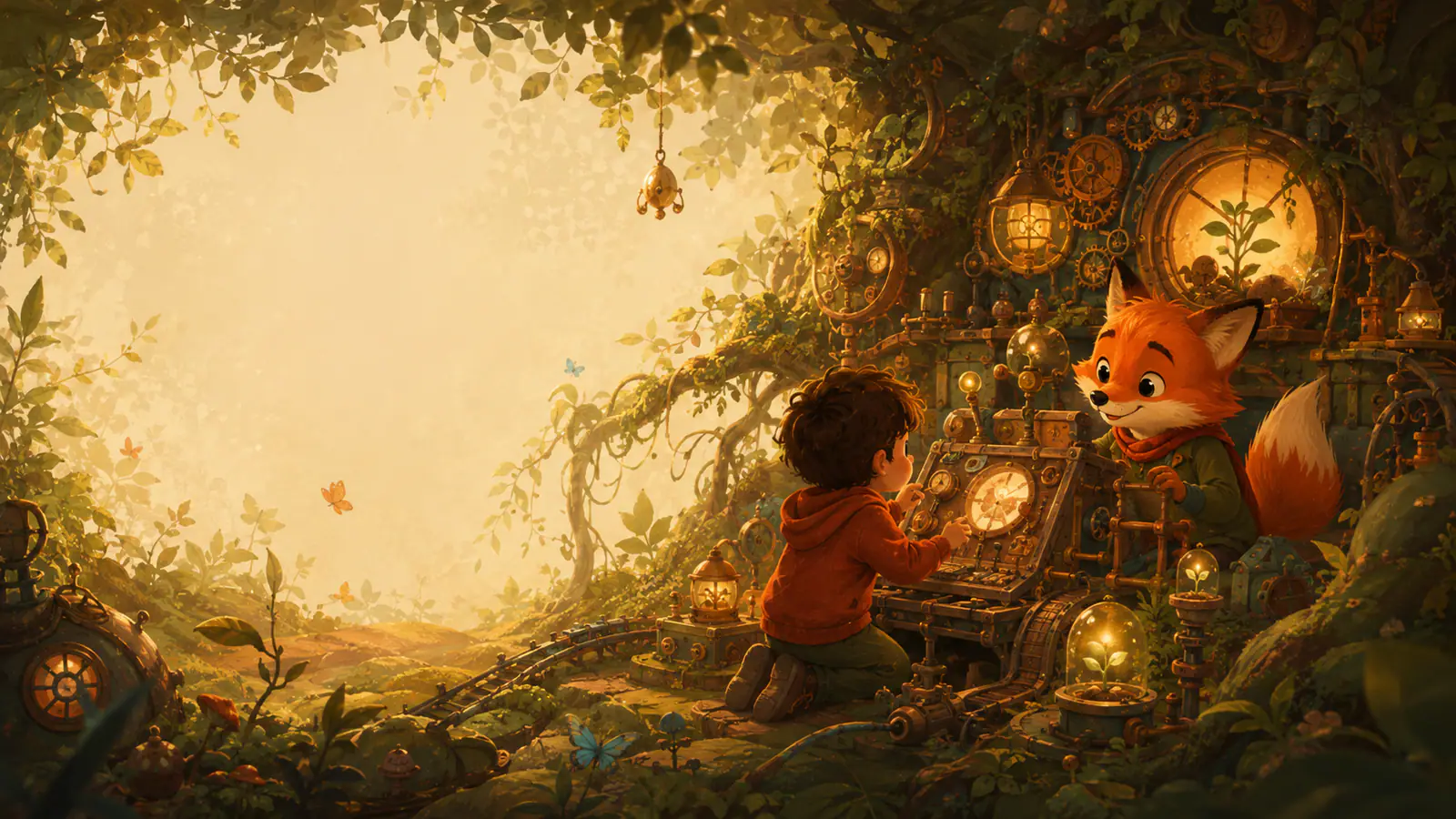
A strong read-aloud is not only a stream of words. Illustrations can provide natural breathing spaces where the child looks, points, predicts or notices something before the next sentence. These pauses help younger listeners stay involved without interrupting the story’s flow. A page that rewards ten seconds of looking can be more engaging than a page with constant verbal explanation. The adult does not have to fill every quiet moment.
Repetition helps children join the reading
A repeated phrase, sound, question or pattern gives children a way into the performance of the story. After several pages, they may anticipate the line or say part of it with the adult. This is different from testing memory. Participation grows naturally because the language becomes familiar. Repetition also makes favourite books especially satisfying: the child knows what is coming and can enjoy timing, expression and variation rather than concentrating only on understanding the plot.
The best read-aloud books leave something to discuss
A good shared book works on more than one level. A preschooler may follow the main action while an older child notices motive, irony or visual clues. Look for stories that allow questions without requiring them. Why did the character change the plan? What did the picture reveal first? Which moment would feel different to another character? These layers help the same book remain useful as the child’s language and thinking grow.