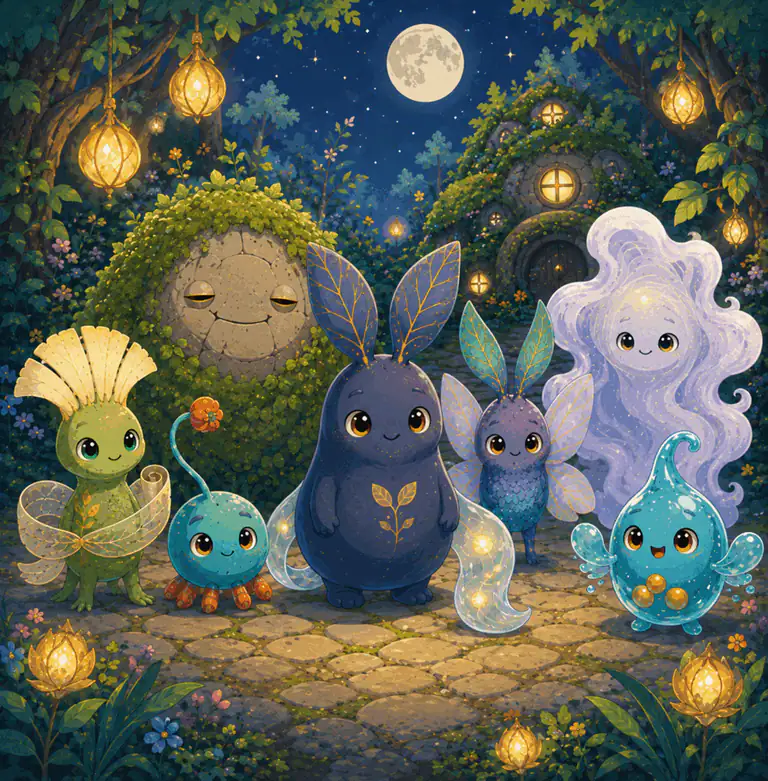
CourageKindnessCooperation
Lumari and the Garden of Sleeping Lights
Ten richly illustrated adventures in one 96-page collection about courage, kindness, and bringing the sleeping garden home again.
Explore Lumari and the Garden of Sleeping Lights → Marty TalefoxStory Worlds
Books by age · 3 years
At three, a picture book works best when the story is easy to follow, the pictures do real storytelling work, and there is room to stop, point, predict, and talk. This collection brings together gentle Marty Talefox storyworlds with clear emotional beats, memorable characters, and illustrations designed for close shared reading.
Stories to explore
Three-year-olds often enter a story through the pictures first. These books were selected because the central feeling or problem can be understood visually, while the language leaves space for an adult to pause and invite the child into the story.
Ten richly illustrated adventures in one 96-page collection about courage, kindness, and bringing the sleeping garden home again.
Explore Lumari and the Garden of Sleeping Lights →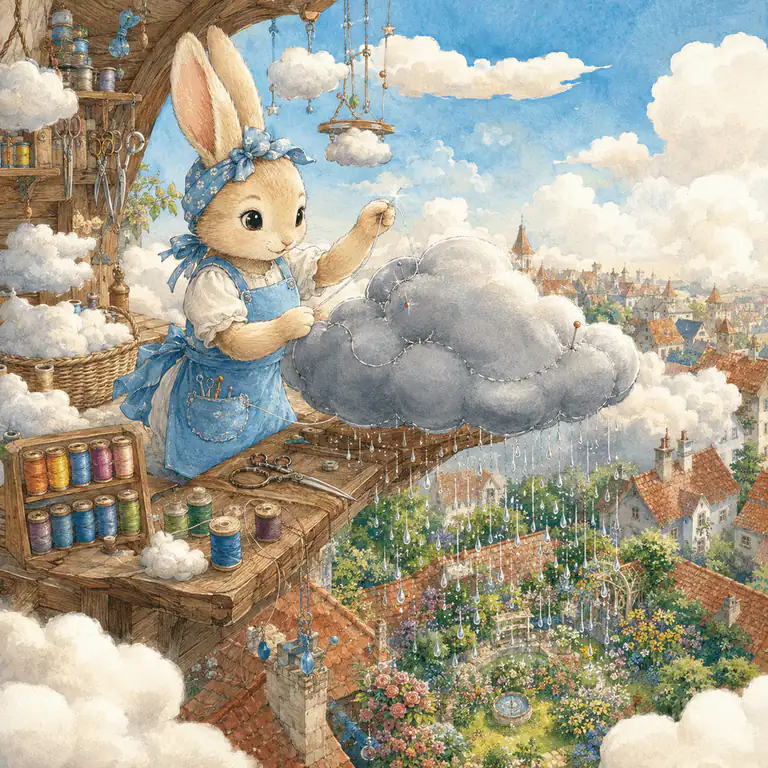
Pellumi stitches clouds for every kind of day—and finds beauty in rain as well as sunshine.
Explore Pellumi and the Cloud Tailor →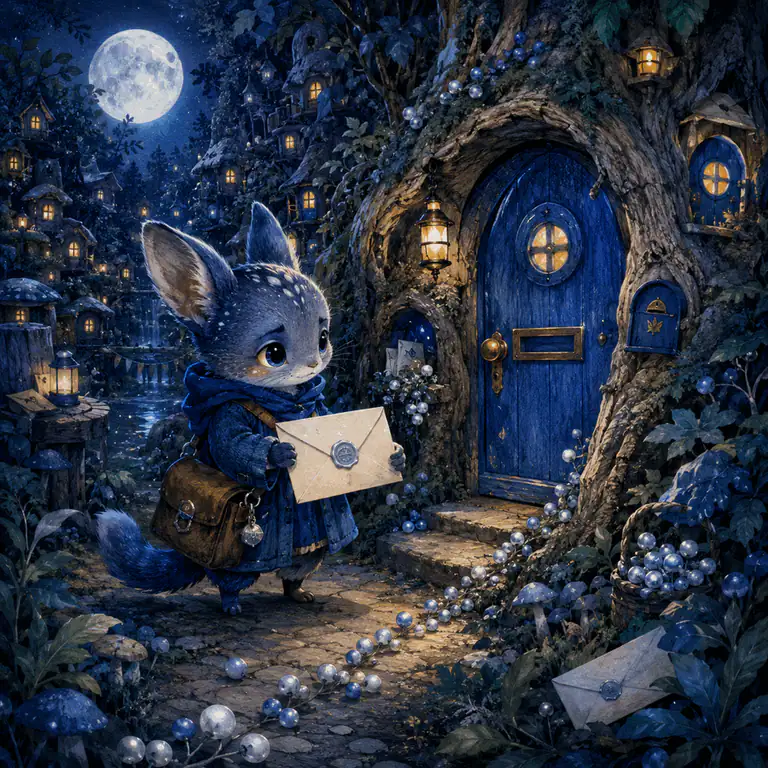
Letters, little mysteries, and a shy night courier who discovers that every voice deserves to be heard.
Explore Velumi and the Lumerra Post Office →A gentle guide for grown-ups
A strong picture book for a three-year-old does not need to be simple in meaning. It needs to be clear in movement: who is here, what changed, how the character feels, and what happens next.
Repetition, expressive faces, recurring visual details, and a reassuring emotional landing can make a story easier to revisit. Re-reading is useful at this age because familiarity gives children more attention for language, details, and feelings they missed the first time.
Pause before reading the next line and ask what the child notices. The answer does not need to match the text.
Try ‘How does Pellumi feel?’ or ‘What do you think Lumari will do?’ instead of turning the story into a quiz.
A familiar story can become richer on the fifth reading because the child begins to anticipate words, images, and emotional turns.
For families
Yes. Shared reading does not have to mean finishing every page. Following the child’s attention, talking about one illustration, or returning later can still build a positive reading habit.
There is no single ideal length. Clear pacing, visual storytelling, and the ability to pause matter more than a strict page count. A longer book can also work when it is divided into short, satisfying reading moments.
Usually it is better to let the story do the work. A simple question about what the character noticed, tried, or felt gives a child more room to make meaning independently.
Yes. Marty Talefox books are designed for ages 3–7, so adults can change how much they discuss, predict, and reflect depending on the child.
From the journal
A practical guide to matching story structure, illustration, language, and emotional depth to a child’s stage.
Read the article →