Reading ideas
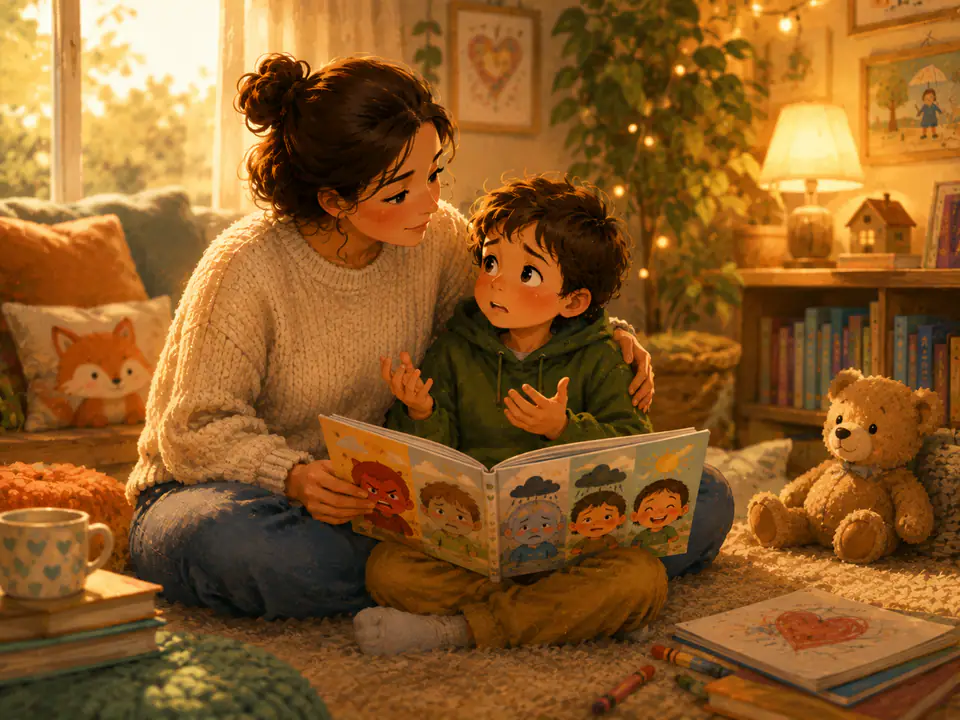
How Picture Books Help Children Talk About Big Feelings
Why illustrated stories can make feelings easier to notice, name and discuss together.
Read article → Marty TalefoxStory Worlds
Marty Talefox journal
Reading ideas, picture-book guidance, and small clues from the story garden.
Reading ideas
Why illustrated stories can make feelings easier to notice, name and discuss together.
Read article →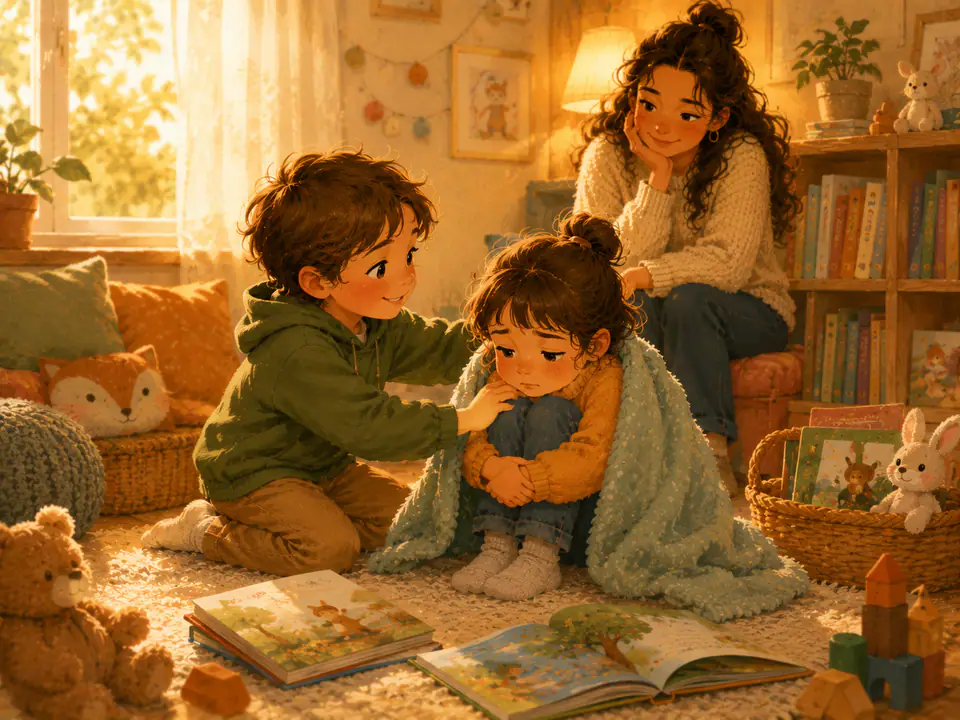
Reading ideas
A calm approach to choosing and sharing bedtime picture books.
Read article →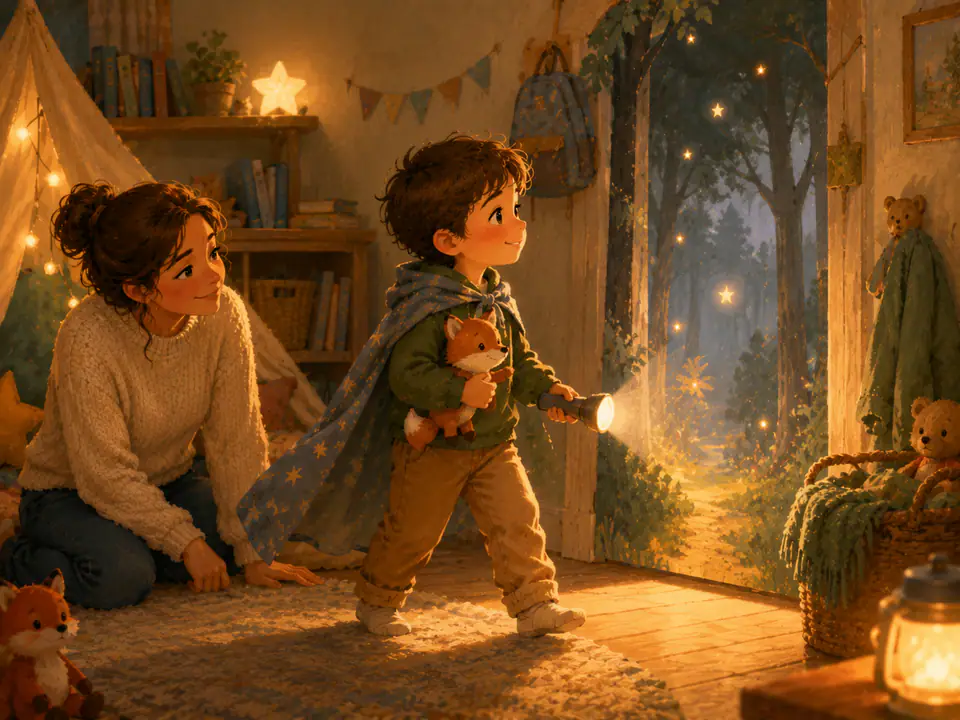
Reading ideas
Why courage in stories can be small, honest and possible.
Read article →
Reading ideas
Using story characters to explore empathy, kindness and listening.
Read article →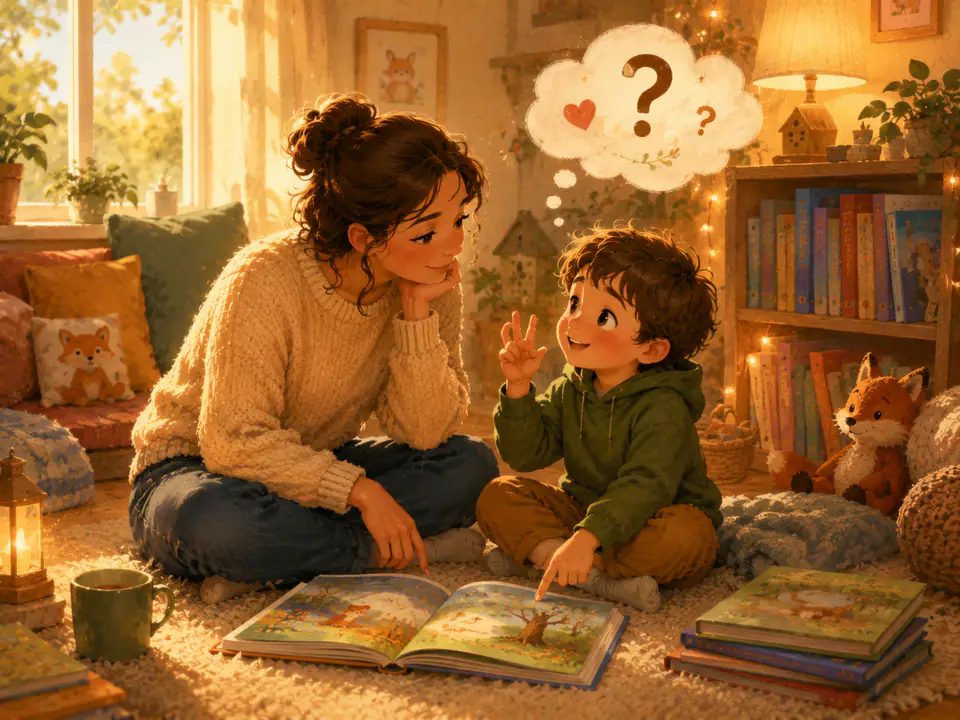
Reading ideas
Simple open questions that keep a shared reading experience alive after the last page.
Read article →
Reading ideas
A practical guide to choosing picture books that fit a child’s interests, emotional world, attention span and shared-reading rhythm.
Read article →
Reading ideas
Why repeated picture-book reading can support confidence, language, close observation and the pleasure of knowing what comes next.
Read article →
Reading ideas
How stories can support confidence through small attempts, self-expression, belonging and asking for help without treating quietness as a problem.
Read article →
Reading ideas
Why kindness is more meaningful in picture books when it grows from noticing, choice, consequence, repair and respect for what another character needs.
Read article →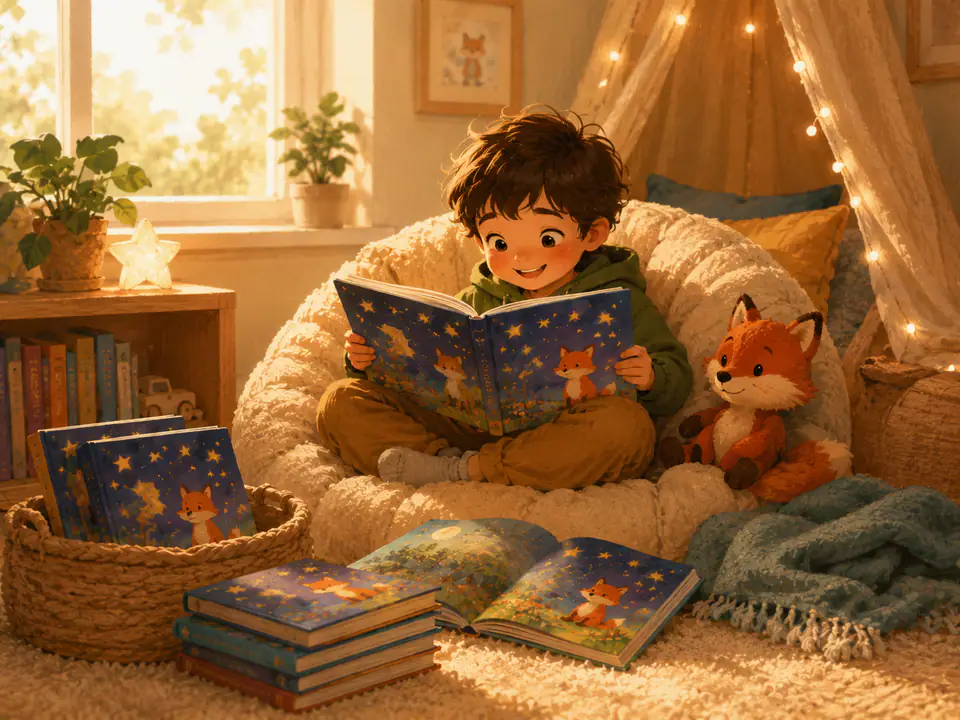
Reading ideas
How illustrated stories can help children think about transitions, mixed feelings, what stays steady and the next manageable step when something changes.
Read article →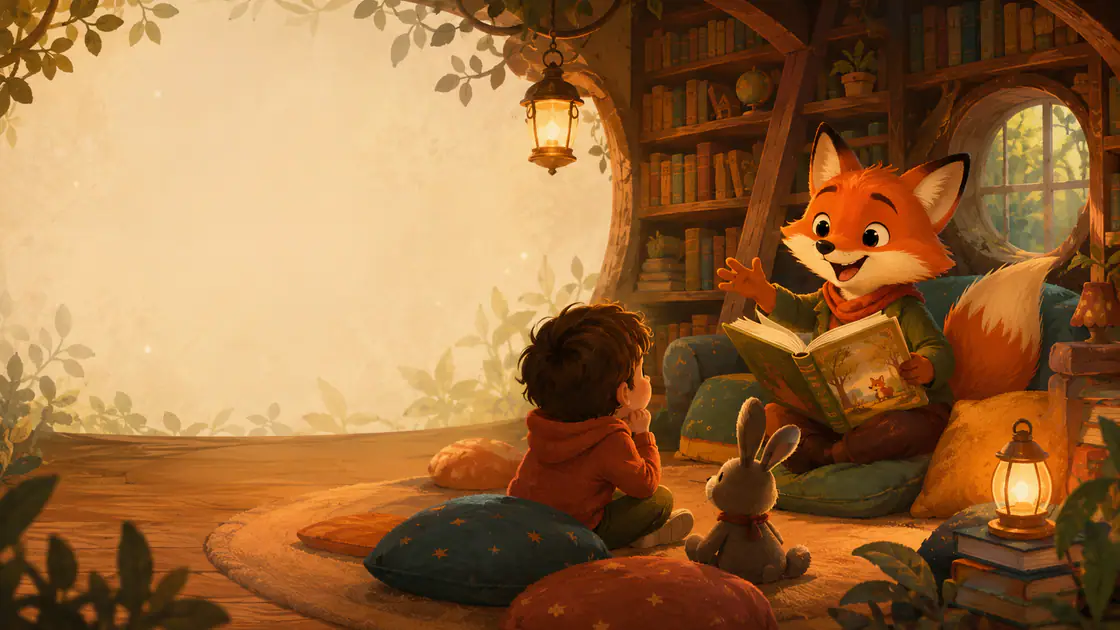
Reading ideas
Why close-looking, listening and repeated reading can turn a picture book into a calm shared moment without making reading feel like an exercise.
Read article →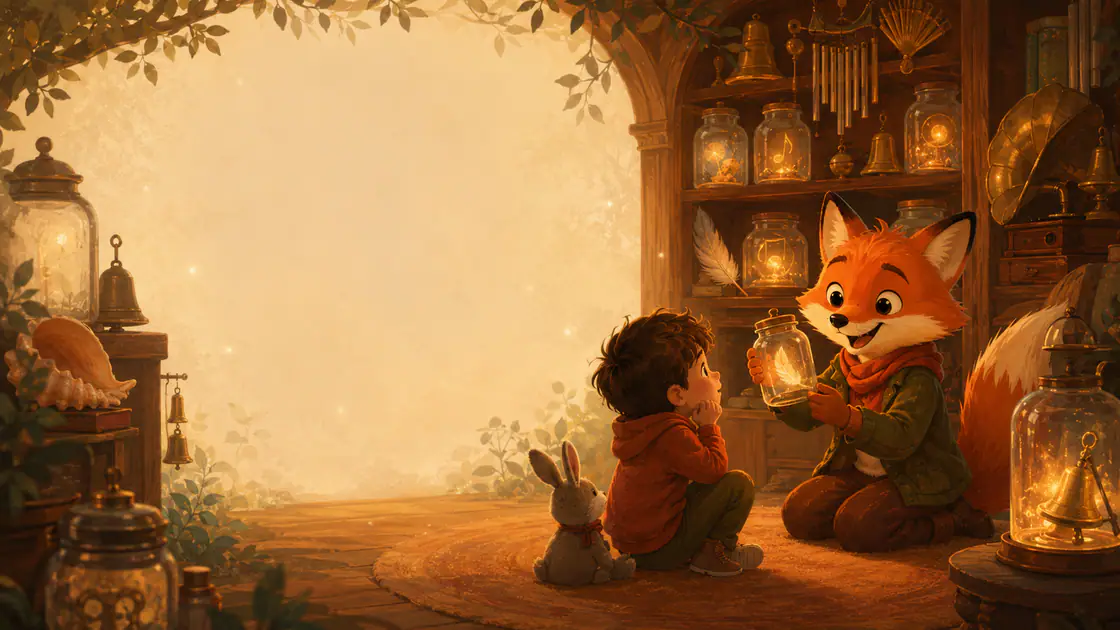
Reading ideas
A practical way to make shared reading feel predictable and welcoming while leaving room for tired days, questions, favourite books and changing family routines.
Read article →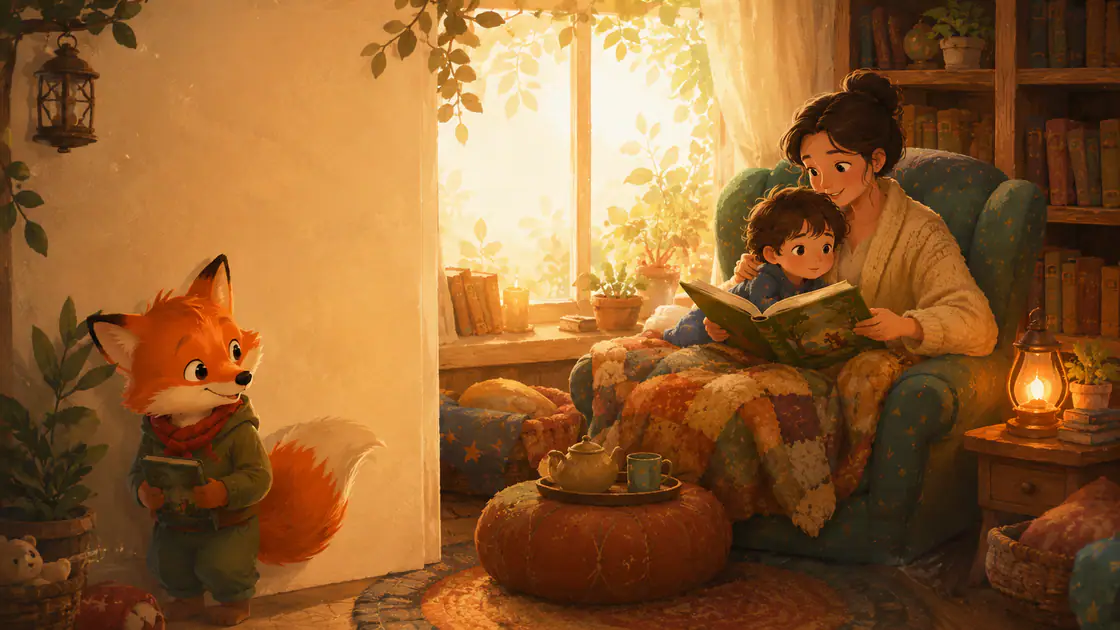
Reading ideas
Why the strongest imaginative stories leave gaps, visual clues and unfinished possibilities that invite children to build part of the story themselves.
Read article →
Reading ideas
How unusual fictional worlds encourage questions, prediction, flexible thinking and the habit of looking for how things might work.
Read article →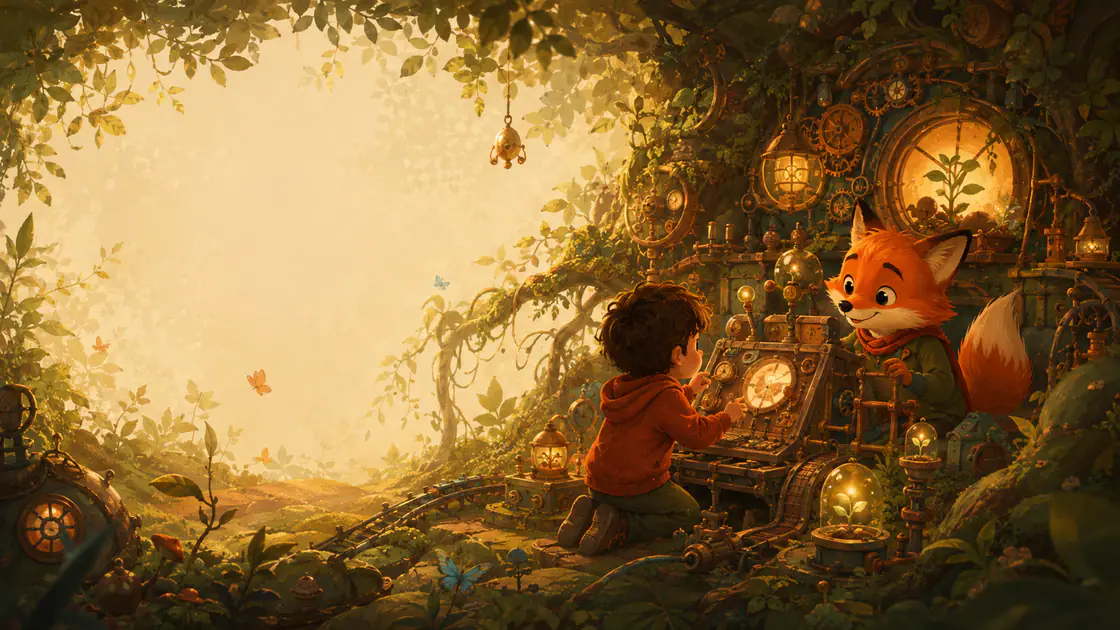
Reading ideas
Rhythm, repetition, visual pauses, emotional clarity and participation all help a picture book work when an adult and child share it aloud.
Read article →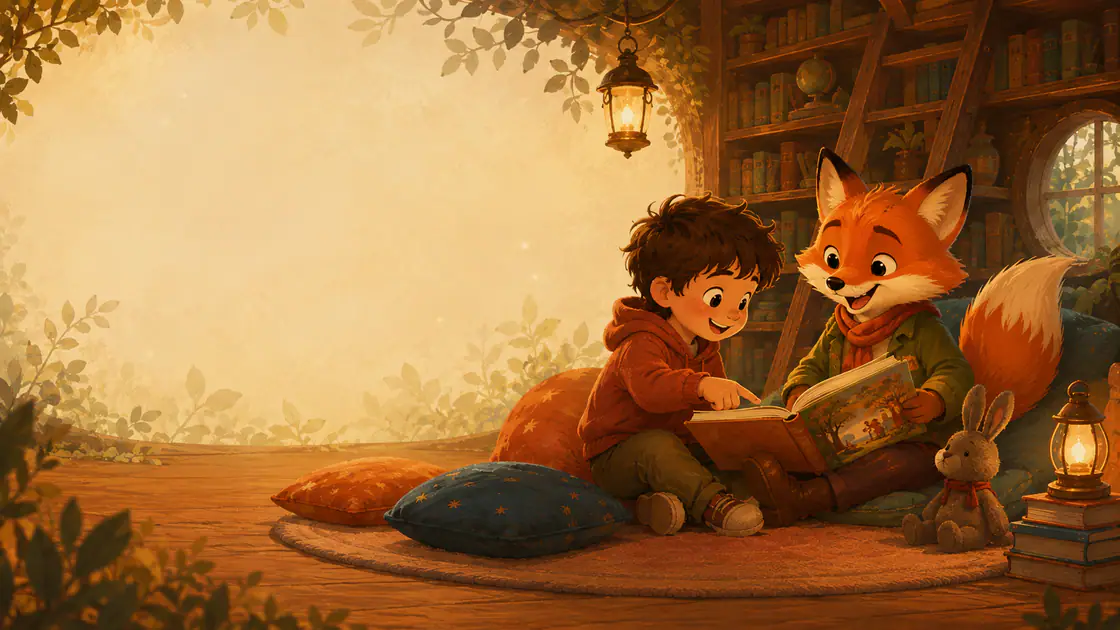
Reading ideas
Independent decoding and listening to rich stories are different skills, so shared reading still has value at ages six, seven and beyond.
Read article →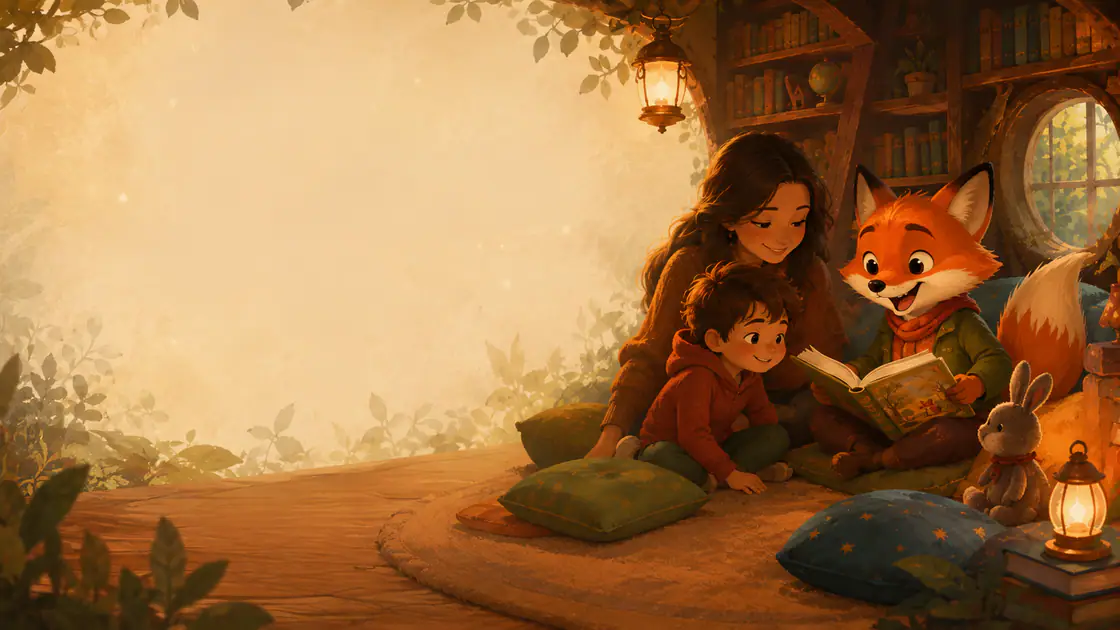
Reading ideas
There is no perfect number of minutes: attention, story structure, time of day and the child’s role in reading matter more than a rigid target.
Read article →
Reading ideas
Predictable structure, manageable challenges, honest feelings and supportive relationships can make stories about worry feel containing rather than overwhelming.
Read article →
Reading ideas
Fear can belong in a children’s story when the challenge is understandable, the imagery is manageable and the character has choices, support and a way forward.
Read article →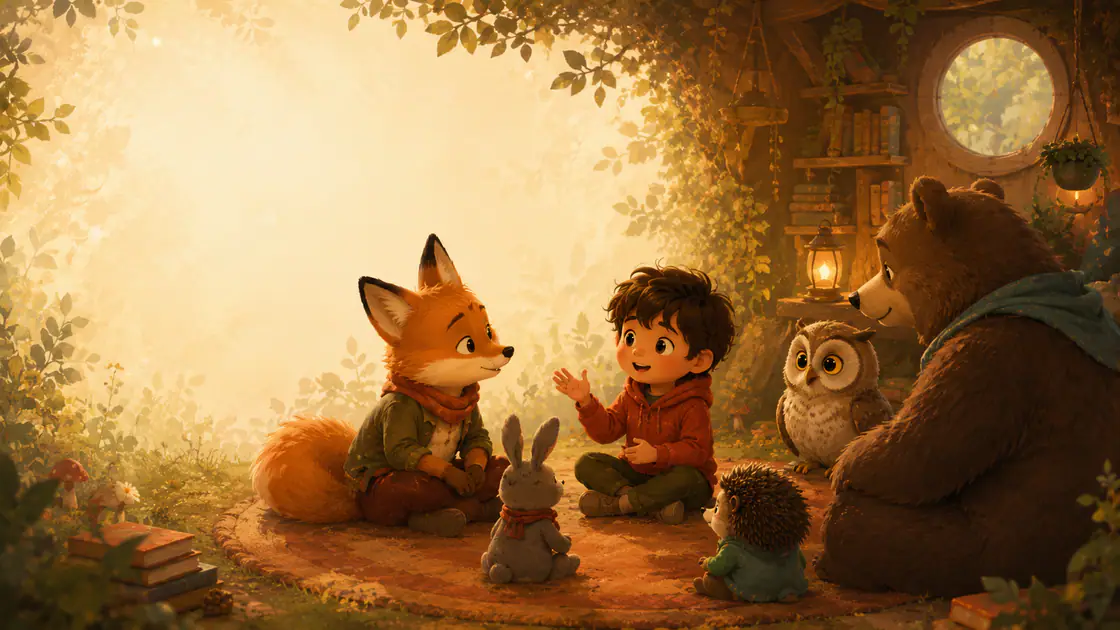
Reading ideas
Picture books can support self-expression and belonging while respecting quiet personalities instead of treating shyness as something a child must be cured of.
Read article →
Reading ideas
How shared picture-book reading supports language, attention, imagination and connection from the preschool years through early reading.
Read article →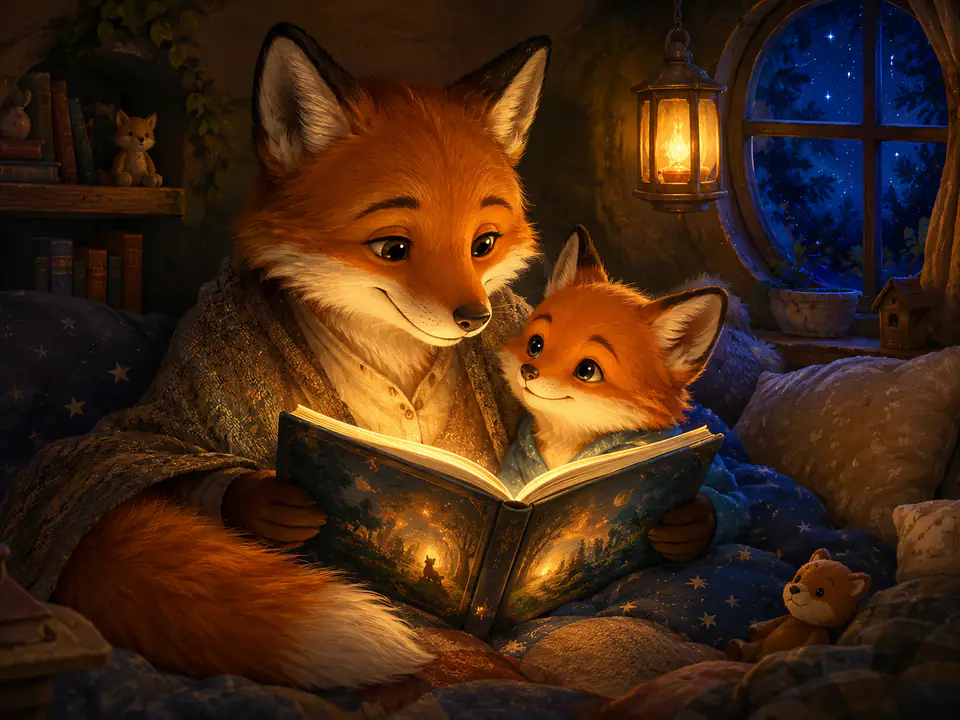
Reading ideas
What makes a picture book rewarding for a child while still giving the adult reader enough beauty, rhythm and meaning to enjoy repeated readings.
Read article →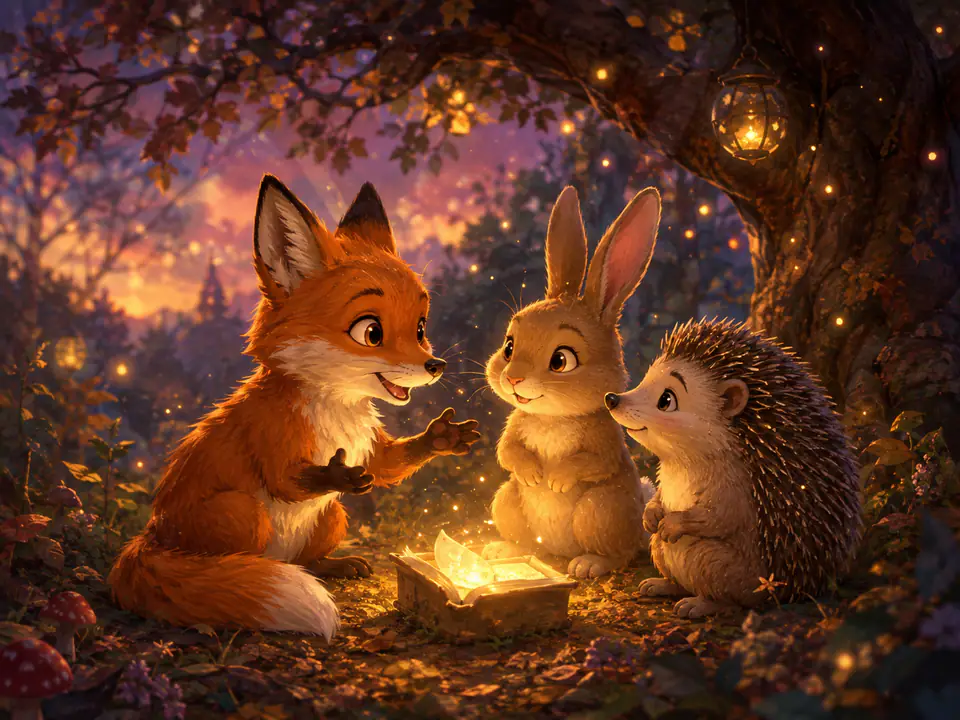
Reading ideas
A practical way to use stories to talk about feelings, courage, kindness and choices without turning reading into a lesson or quiz.
Read article →