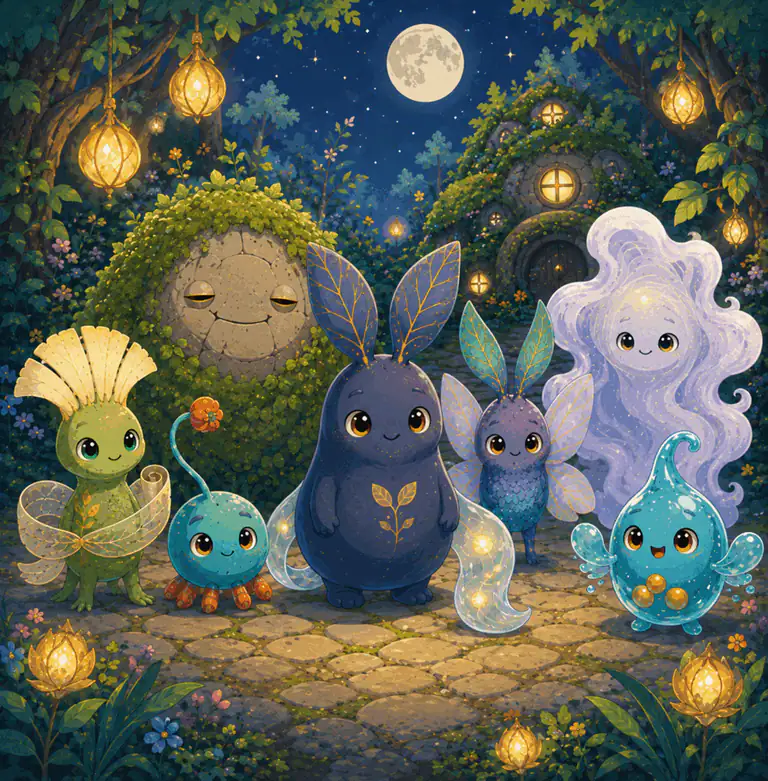
CourageKindnessCooperation
Lumari and the Garden of Sleeping Lights
Ten richly illustrated adventures in one 96-page collection about courage, kindness, and bringing the sleeping garden home again.
Explore Lumari and the Garden of Sleeping Lights → Marty TalefoxStory Worlds
Books by theme · Read aloud
A good read-aloud book gives both the child and the adult something to do. The language should feel satisfying in the mouth, the pictures should invite pauses, and the story should create moments for prediction, surprise, laughter, or quiet thought. Marty Talefox books are designed as shared-reading experiences for ages 3–7 rather than books that simply happen to be read aloud.
Stories to explore
Every Marty Talefox storyworld is built around the interaction between spoken language, illustration, and the pauses where a child notices or responds. Browse the full collection here.
Ten richly illustrated adventures in one 96-page collection about courage, kindness, and bringing the sleeping garden home again.
Explore Lumari and the Garden of Sleeping Lights →
A 96-page sky adventure in two connected parts, where Aeravi must repair broken weather and confront the Heart of Stillness.
Explore Aeravi and the Lighthouse Above the Rain →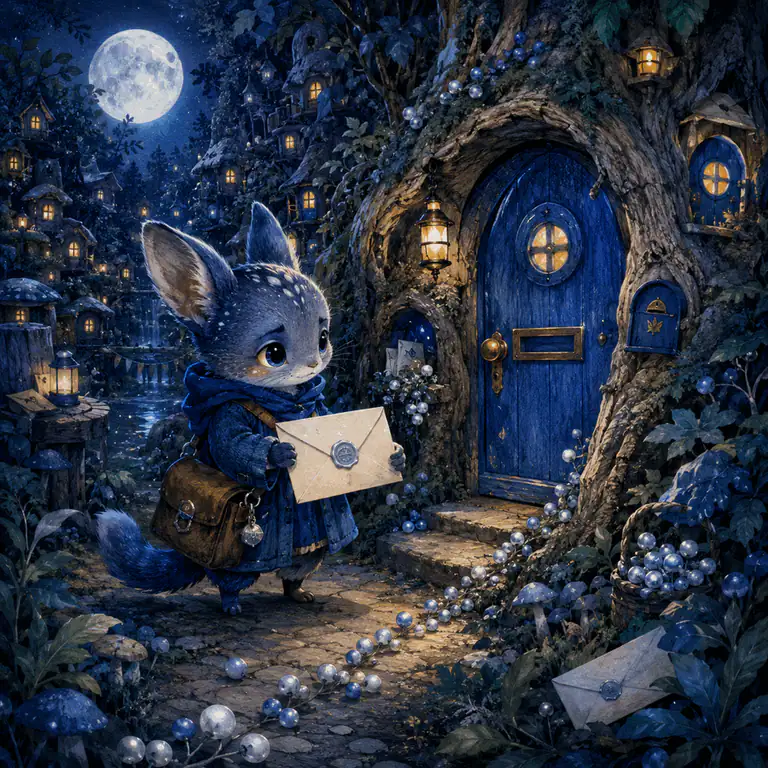
Letters, little mysteries, and a shy night courier who discovers that every voice deserves to be heard.
Explore Velumi and the Lumerra Post Office →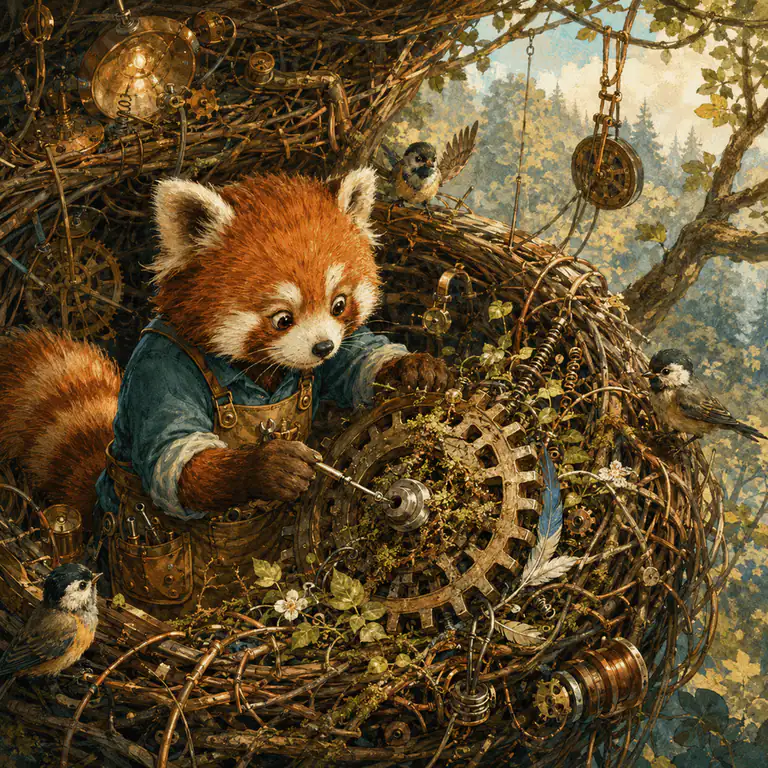
A curious red panda learns that even perfect little machines need patience, care, and imagination.
Explore Norvelli and the Clockwork Nest →
A quiet pebble finds its voice—and learns that the smallest sound can bring a whole forest together.
Explore Rillu Who Learned to Sing →
One folded whale carries Ovellia into a sky made of stories, stars, and possibility.
Explore Ovellia and the Paper Whale →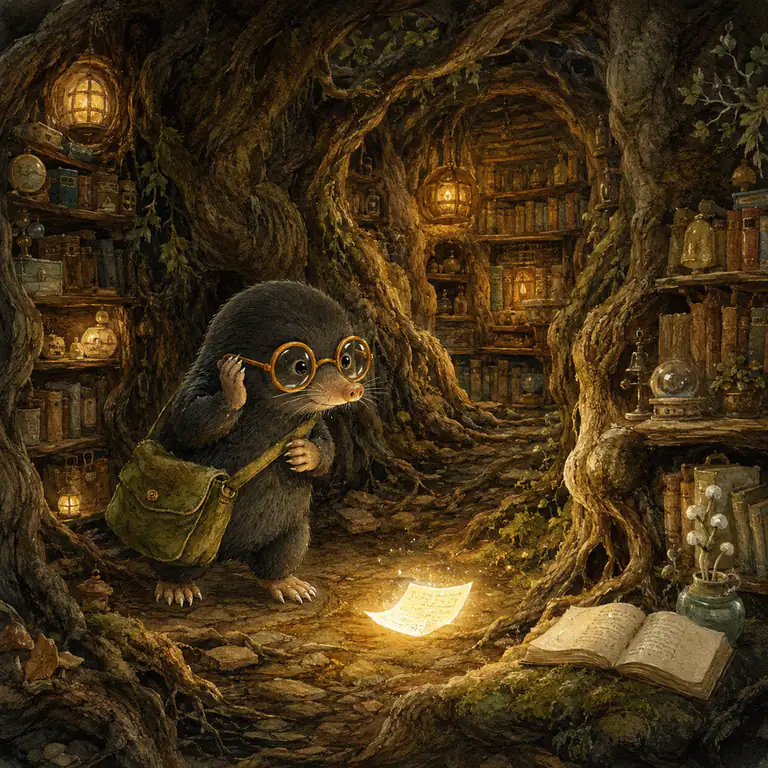
Below an ancient tree, forgotten stories wait for a careful listener.
Explore Meruni and the Library Under the Roots →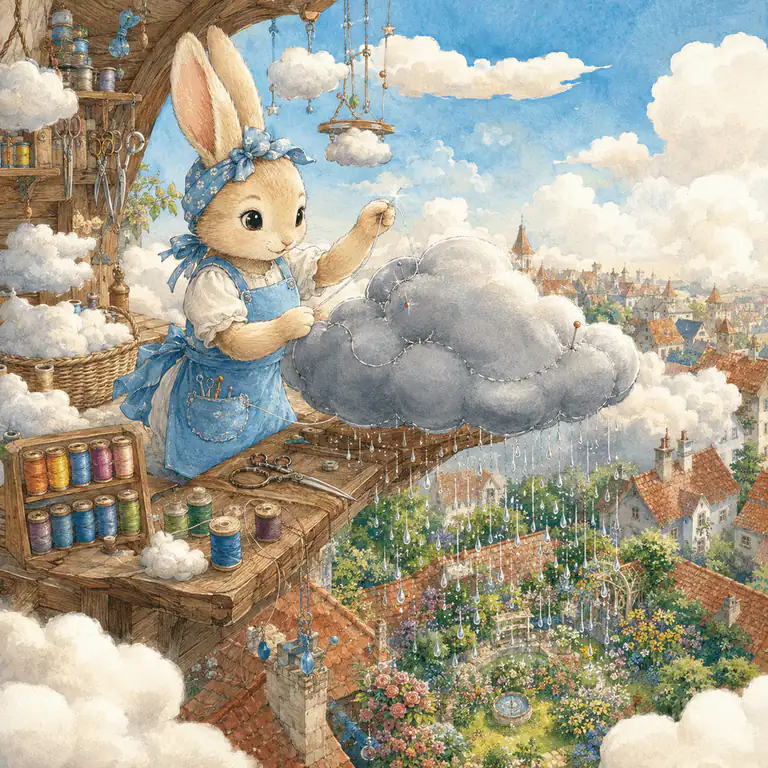
Pellumi stitches clouds for every kind of day—and finds beauty in rain as well as sunshine.
Explore Pellumi and the Cloud Tailor →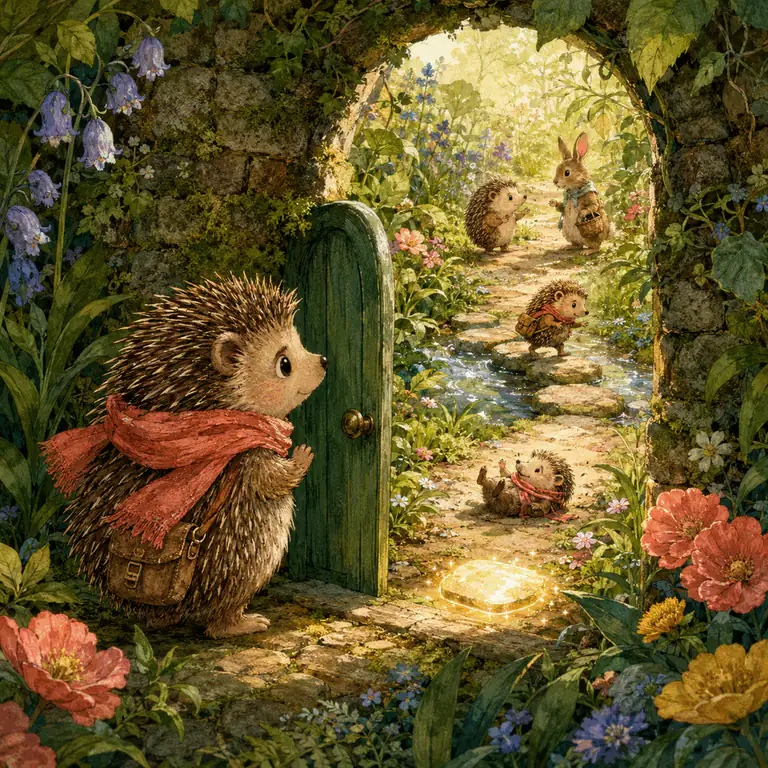
Behind a tiny garden door, courage grows one gentle step at a time.
Explore Jorali and the Door of Small Braveries →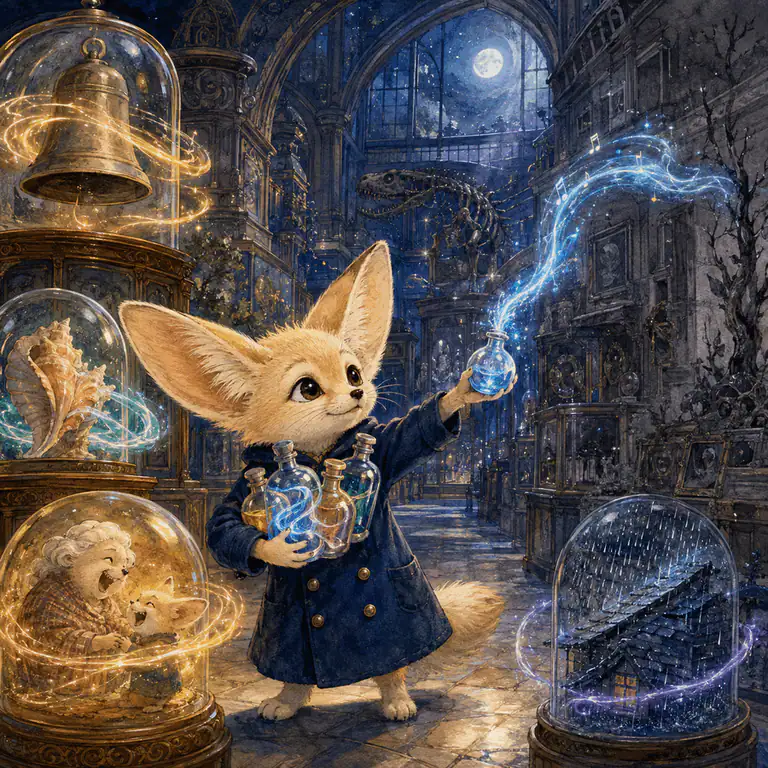
Sovari gathers forgotten bells, waves, whispers, and laughter—and helps the world hear them again.
Explore Sovari and the Archive of Vanishing Sounds →
A gentle illustrated adventure about the little beginnings of a day that are too precious to lose.
Explore Elnori and the House of Borrowed Mornings →
When the sea grows still, Coraquill helps a forgotten tide find the way back to the shore.
Explore Coraquill and the Tide That Forgot to Return →A gentle guide for grown-ups
Read-aloud language has rhythm. Sentence length, repeated structures, sound, and well-placed pauses help an adult give the story shape without needing to perform every line dramatically.
Illustrations matter just as much because they create natural places to stop. A child can notice something before the narrator mentions it, predict what is coming, or discover a visual detail that changes how the words are understood.
Pause when the child is absorbed in an image; move on when the story has momentum. Shared reading does not need a fixed tempo.
Character voices can be fun, but clear phrasing and genuine interest matter more than performance.
A favourite question or quiet observation can extend the story without turning it into a comprehension test.
For families
Look for language with rhythm, clear story movement, expressive illustrations, and enough emotional or visual detail to reward conversation.
Sometimes. A few genuine questions can deepen engagement, but too many interruptions can break the story’s rhythm.
Yes. Reading aloud gives children access to richer language and keeps reading connected with relationship and shared attention.
Not always. With young children, it is fine to pause, paraphrase briefly, revisit an image, or follow a question before returning to the text.
From the journal
Rhythm, repetition, visual pauses, emotional clarity and participation all help a picture book work when an adult and child share it aloud.
Read the article →