
CourageKindnessCooperation
Lumari and the Garden of Sleeping Lights
Ten richly illustrated adventures in one 96-page collection about courage, kindness, and bringing the sleeping garden home again.
Explore Lumari and the Garden of Sleeping Lights → Marty TalefoxStory Worlds
Books by age · Preschool
Preschool picture books need to do several jobs at once: hold attention, make the story visible through illustration, introduce useful language, and give children something worth talking about. These Marty Talefox stories are chosen for ages 3–5, with clear emotional situations, imaginative worlds, and enough depth to remain interesting across repeated readings.
Stories to explore
A preschooler may listen to the words, follow the pictures, interrupt with a question, and invent a different explanation all within one page. These books are designed to welcome that kind of shared reading.
Ten richly illustrated adventures in one 96-page collection about courage, kindness, and bringing the sleeping garden home again.
Explore Lumari and the Garden of Sleeping Lights →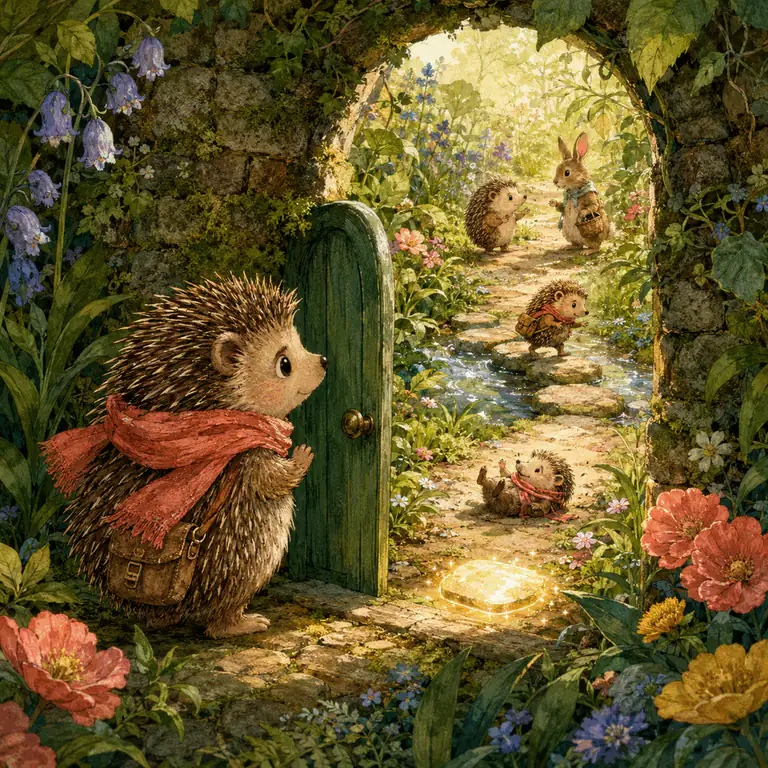
Behind a tiny garden door, courage grows one gentle step at a time.
Explore Jorali and the Door of Small Braveries →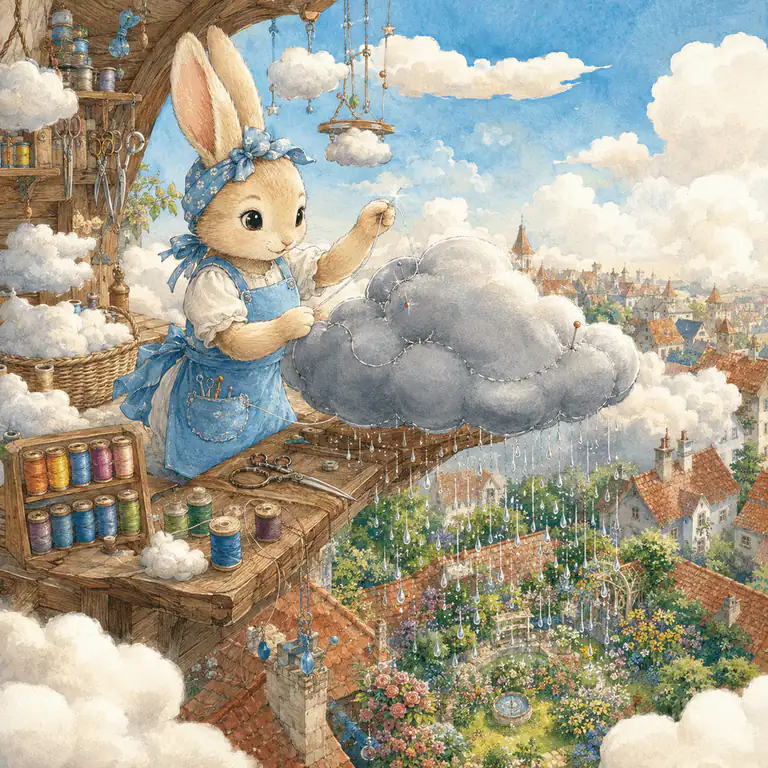
Pellumi stitches clouds for every kind of day—and finds beauty in rain as well as sunshine.
Explore Pellumi and the Cloud Tailor →
A quiet pebble finds its voice—and learns that the smallest sound can bring a whole forest together.
Explore Rillu Who Learned to Sing →A gentle guide for grown-ups
Clear visual storytelling matters because preschoolers often understand the emotional situation through faces, gestures, colour, and action before they understand every sentence.
The best books also leave something open. A child should have room to predict, notice, disagree, laugh, or connect a character’s experience with something they know.
If the child wants to stay on one illustration, that close looking is part of reading, not a distraction from it.
Try ‘What do you notice?’ before asking for a specific answer.
Repeated reading supports vocabulary, memory, prediction, and confidence with story structure.
For families
Preschool commonly includes roughly ages three to five, though children develop at different rates and many books remain enjoyable beyond that range.
There is no single right number. Read-aloud rhythm, visual support, pacing, and the child’s interest matter more than a strict word count.
A story can explore useful ideas without turning into a lesson. Children often learn more from watching a character make meaningful choices than from being told what the moral is.
Yes. Visual storytelling is a central part of picture-book reading and can support vocabulary, inference, memory, and narrative skills.
From the journal
A practical guide to choosing picture books that fit a child’s interests, emotional world, attention span and shared-reading rhythm.
Read the article →