CommunicationListeningConfidence
Velumi and the Lumerra Post Office
Letters, little mysteries, and a shy night courier who discovers that every voice deserves to be heard.
Explore Velumi and the Lumerra Post Office → Marty TalefoxStory Worlds
Books by theme · Communication
Communication in picture books can be spoken, written, sung, drawn, or shown through careful listening. These stories value both expression and reception: finding words for an idea matters, but so does making enough space to understand another voice.
Stories to explore
This collection focuses on speaking, listening, self-expression, and noticing how a message changes between people. The books approach the idea through different characters and situations, so children can compare choices rather than receive one fixed lesson.
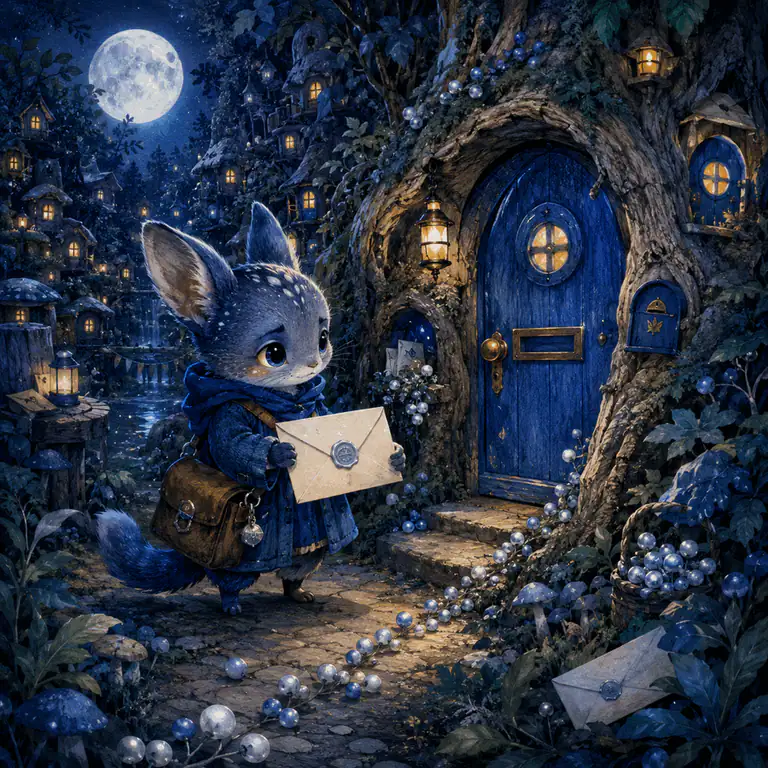
Letters, little mysteries, and a shy night courier who discovers that every voice deserves to be heard.
Explore Velumi and the Lumerra Post Office →
A quiet pebble finds its voice—and learns that the smallest sound can bring a whole forest together.
Explore Rillu Who Learned to Sing →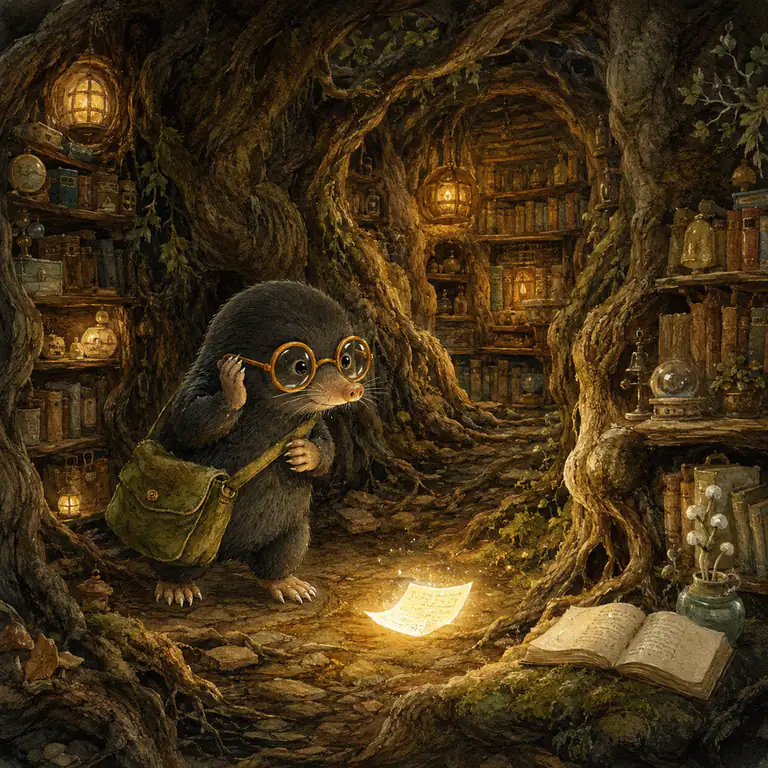
Below an ancient tree, forgotten stories wait for a careful listener.
Explore Meruni and the Library Under the Roots →
One folded whale carries Ovellia into a sky made of stories, stars, and possibility.
Explore Ovellia and the Paper Whale →A gentle guide for grown-ups
Communication stories become richer when children look at both sides of a message. One character may know exactly what they mean while another hears something different. Pictures can reveal hesitation, distance, distraction, tone, or body language that changes how words are received. This makes communication more than simply ‘speaking clearly’.
The story can also broaden the idea of having a voice. A message might be spoken, written, sung, drawn, carried, or communicated through attentive silence. Ask which form works in a particular moment and why. Children can discover that expression matters, but understanding another person requires listening and checking meaning too.
Ask what the speaker wanted to communicate and what the listener actually understood.
Use faces, posture, distance, and eye contact to notice information the dialogue does not state.
When characters misunderstand each other, notice what helps them try again more successfully.
For families
They can make turn-taking, listening, misunderstanding, tone, non-verbal cues, and repair visible inside a meaningful situation.
No. Quiet characters can communicate through writing, drawing, music, gesture, careful listening, or a few well-chosen words.
A misunderstanding lets children compare what one person intended with what another person perceived, which is central to real communication.
This collection includes Velumi and the Lumerra Post Office, Rillu Who Learned to Sing, Meruni and the Library Under the Roots, Ovellia and the Paper Whale.
From the journal
How illustrations and story choices can help children notice another character’s point of view, needs and feelings without turning reading into a lesson.
Read the article →