CommunicationListeningConfidence
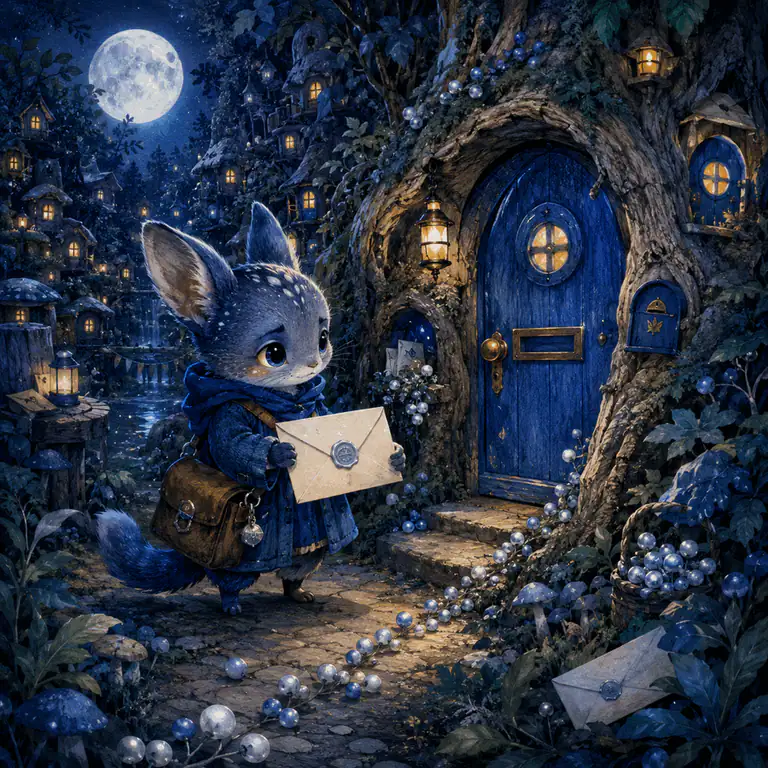
Velumi and the Lumerra Post Office
Letters, little mysteries, and a shy night courier who discovers that every voice deserves to be heard.
Explore Velumi and the Lumerra Post Office → Marty TalefoxStory Worlds
Books by theme · Empathy
Empathy begins with noticing that another character may see, feel, remember, or need something different. Picture books make that process visible: children can study a face, compare viewpoints, or pause before a character responds. These Marty Talefox stories invite children ages 3–7 to practise perspective-taking through story rather than instruction.
Stories to explore
Lumerra, Meruni, and Sovari all place attention at the centre of the story: listening to a voice, preserving a memory, or noticing something another person has lost.
Letters, little mysteries, and a shy night courier who discovers that every voice deserves to be heard.
Explore Velumi and the Lumerra Post Office →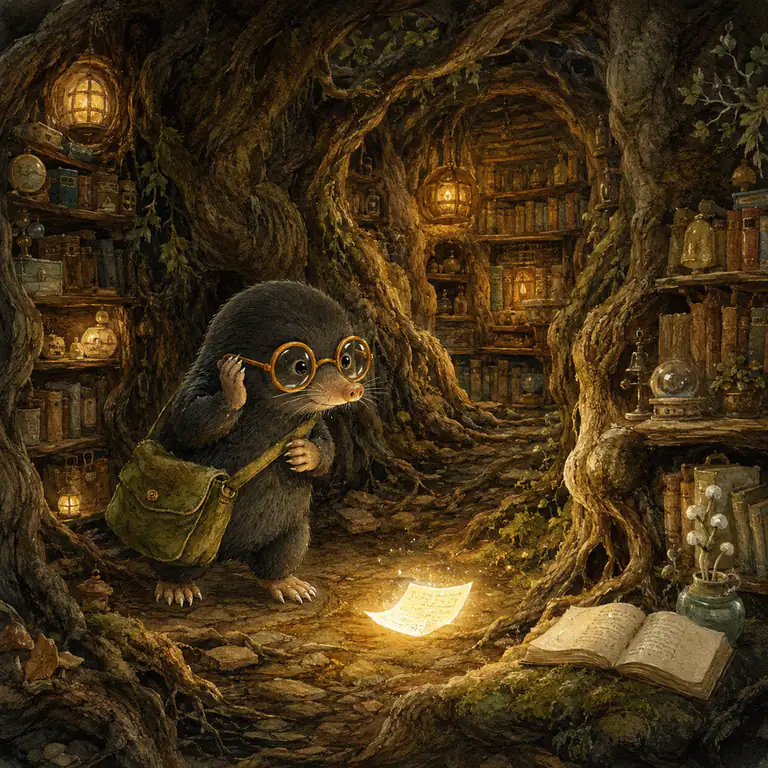
Below an ancient tree, forgotten stories wait for a careful listener.
Explore Meruni and the Library Under the Roots →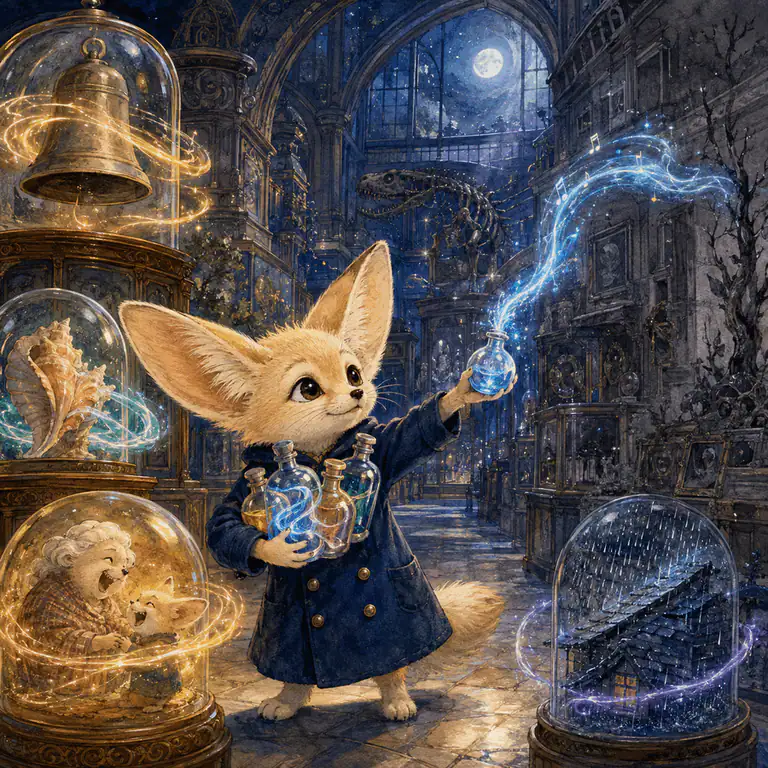
Sovari gathers forgotten bells, waves, whispers, and laughter—and helps the world hear them again.
Explore Sovari and the Archive of Vanishing Sounds →
Ten richly illustrated adventures in one 96-page collection about courage, kindness, and bringing the sleeping garden home again.
Explore Lumari and the Garden of Sleeping Lights →A gentle guide for grown-ups
Illustrations slow a social moment down. Children can inspect expressions, body language, distance, and context before deciding what they think a character feels or needs.
A story also provides emotional distance. A child can think deeply about a fictional character without being required to disclose or explain a personal experience.
Try ‘What might this character be noticing?’ before supplying an emotion label.
Ask how the same event might feel different to two characters.
Empathy can lead to different responses because different characters may need different things.
For families
Stories can support empathy by giving children repeated opportunities to notice perspectives, feelings, motives, and needs in a low-pressure setting.
Empathy is about understanding or considering another perspective; kindness is one possible response to that understanding.
Sometimes, but it can be useful to ask first. The child may notice evidence in the illustration that leads to an interesting interpretation.
Yes. Even young children can notice expressions, actions, and simple differences in what characters want or need.
From the journal
How illustrations and story choices can help children notice another character’s point of view, needs and feelings without turning reading into a lesson.
Read the article →