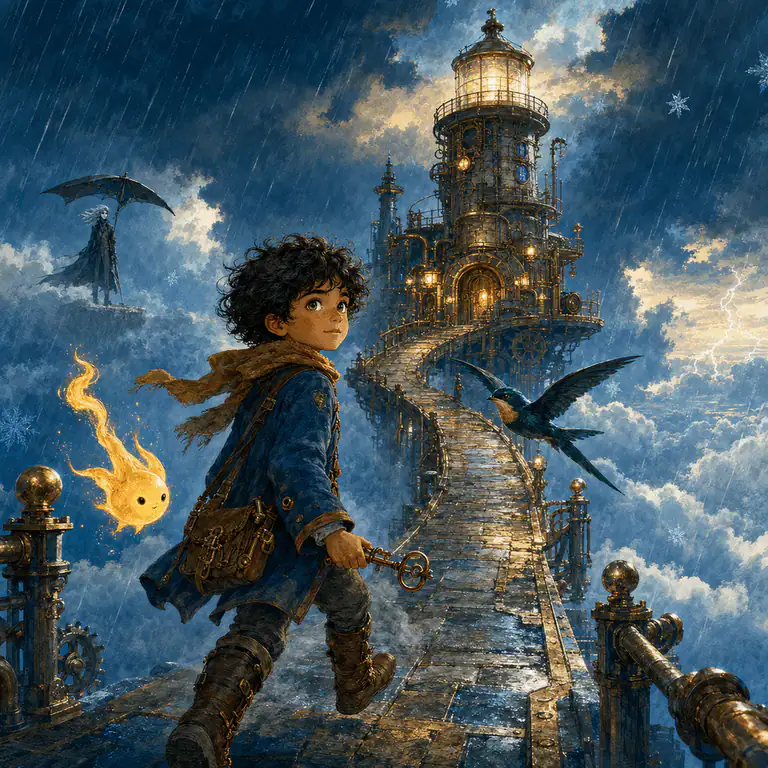
Tavi and the Lighthouse Above the Rain
A 96-page sky adventure in two connected parts, where Tavi must repair broken weather and confront the Heart of Stillness.
Explore the book →
Marty TalefoxBooks by age · 6 years
Six-year-olds are often beginning to read some words independently while still getting enormous value from stories read aloud. The best picture books at this age can offer richer language, layered emotions, stronger cause and effect, and visual details that reward a second look. These Marty Talefox stories are selected for children ready to think beyond what happens and into why it happens.
Stories to explore
These books give six-year-olds room to think about responsibility, memory, listening, change, and the consequences of a character’s choices while keeping illustration at the centre of the experience.

A 96-page sky adventure in two connected parts, where Tavi must repair broken weather and confront the Heart of Stillness.
Explore the book →
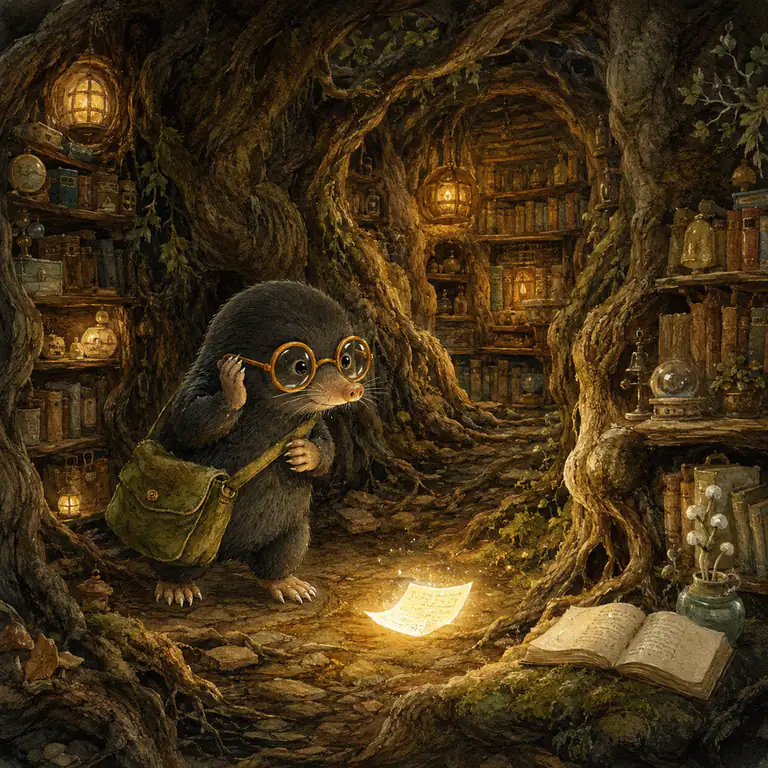
Below an ancient tree, forgotten stories wait for a careful listener.
Explore the book →
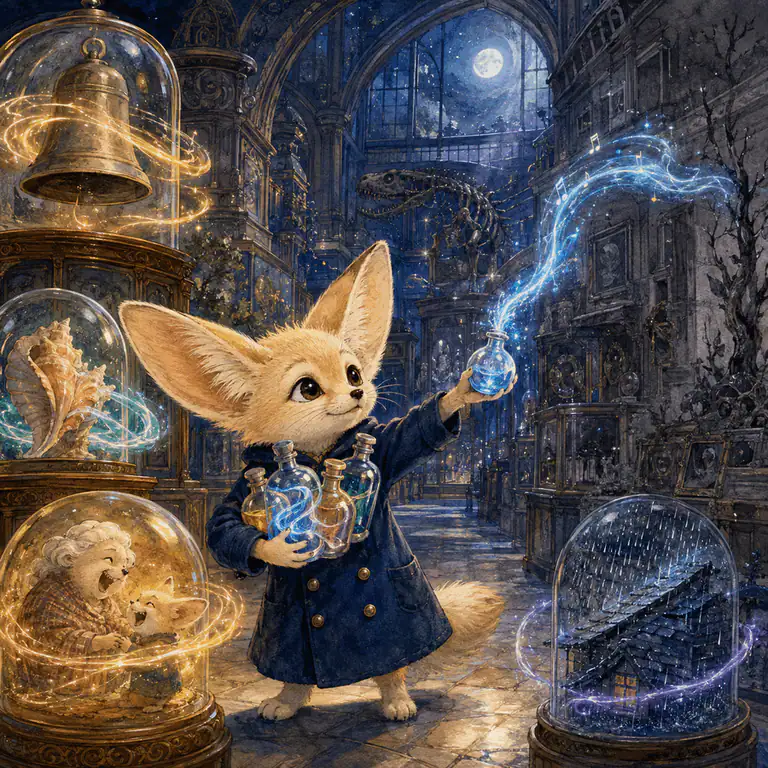
Sol gathers forgotten bells, waves, whispers, and laughter—and helps the world hear them again.
Explore the book →
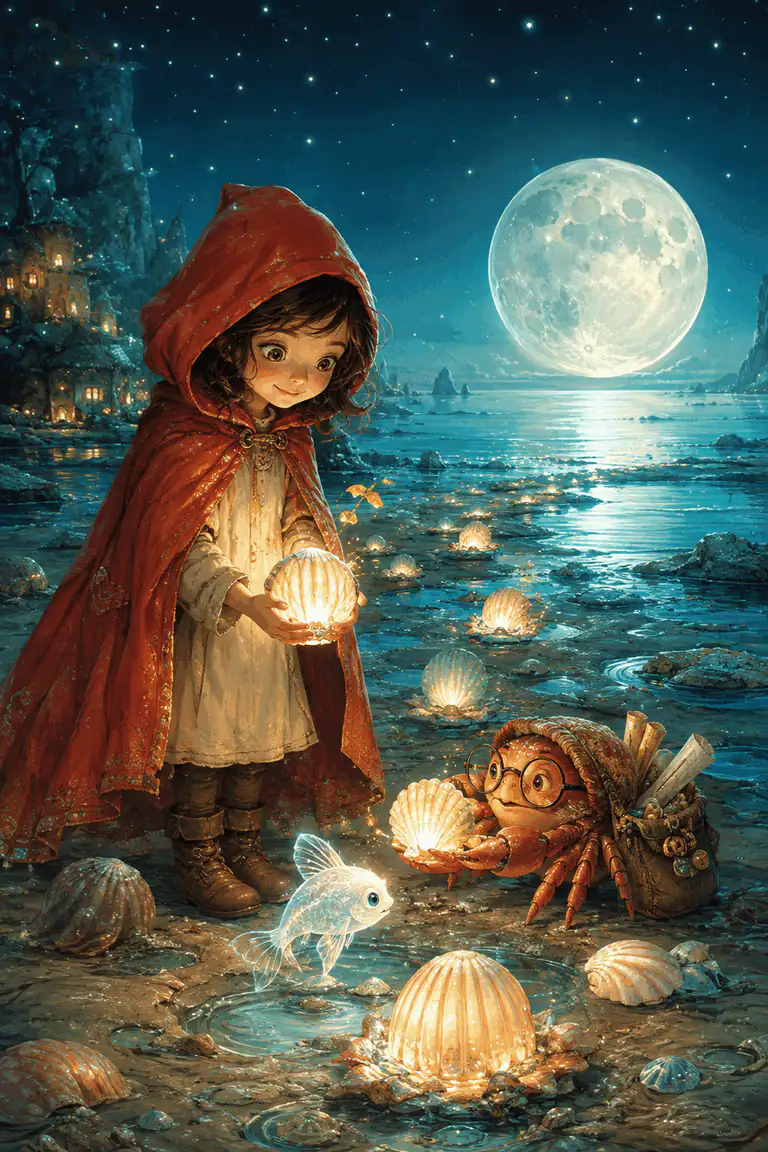
When the sea grows still, Coraquill helps a forgotten tide find the way back to the shore.
Explore the book →A gentle guide for grown-ups
Learning to decode words and enjoying sophisticated stories are different skills. A child can be an early reader and still benefit from hearing language, ideas, and sentence structures that are beyond what they can yet read alone.
At six, picture books also become useful for inference. Children can notice what a character does not say, compare two points of view, and use visual clues to build an explanation that is not stated directly.
Try ‘What in the picture makes you think that?’ to connect interpretation with close looking.
An adult can read most of the story while the child takes a repeated line, a sign, or a familiar word.
Ask how two characters might understand the same event differently.
For families
No. Picture books can contain sophisticated vocabulary, visual inference, humour, emotional nuance, and ideas that remain valuable long after children begin reading independently.
They can read parts independently, but shared reading still gives access to richer language and creates space for discussion.
Responsibility, empathy, change, problem-solving, courage, memory, fairness, and different points of view often work especially well.
Keep questions occasional and genuine. Wondering together is usually more engaging than checking whether the child understood every detail.
From the journal
A practical guide to choosing stories as children become ready for richer plots, language, and emotional ideas.
Read the article →