All feelings matterCreativityWeather
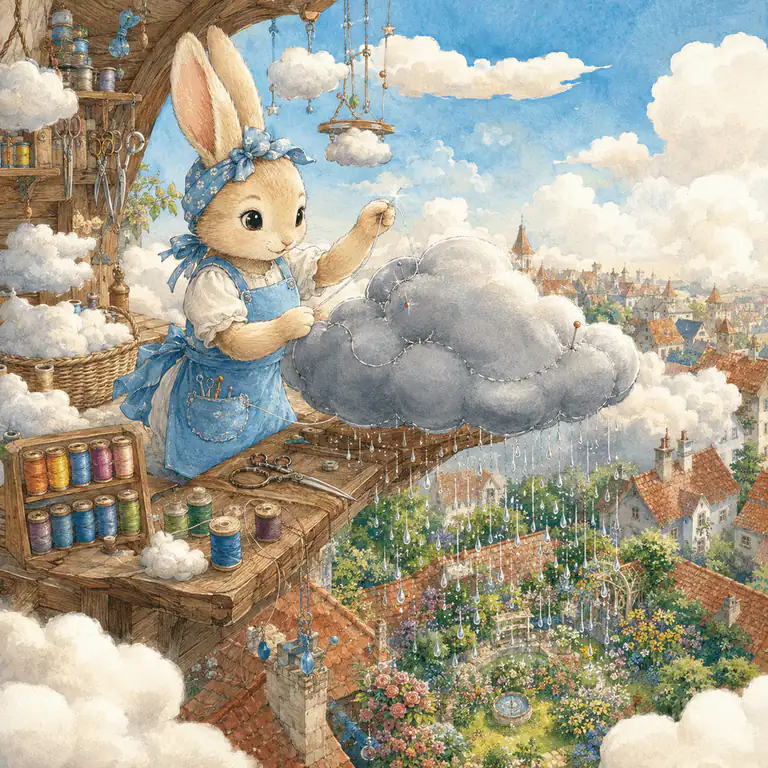
Pellumi and the Cloud Tailor
Pellumi stitches clouds for every kind of day—and finds beauty in rain as well as sunshine.
Explore Pellumi and the Cloud Tailor → Marty TalefoxStory Worlds
Books by theme · Feelings
Children often understand a feeling in a picture before they can explain it in words. A character’s face, posture, mistake, or choice can make worry, disappointment, excitement, loneliness, or relief visible without asking a child to talk about themselves. These Marty Talefox stories make emotions part of the adventure rather than a lesson added on top.
Stories to explore
Pellumi, Rillu, the Lumerra courier, and Coraquill meet emotions through weather, voice, belonging, change, and uncertainty. The feeling matters because something is happening—not because the book stops to define it.
Pellumi stitches clouds for every kind of day—and finds beauty in rain as well as sunshine.
Explore Pellumi and the Cloud Tailor →
A quiet pebble finds its voice—and learns that the smallest sound can bring a whole forest together.
Explore Rillu Who Learned to Sing →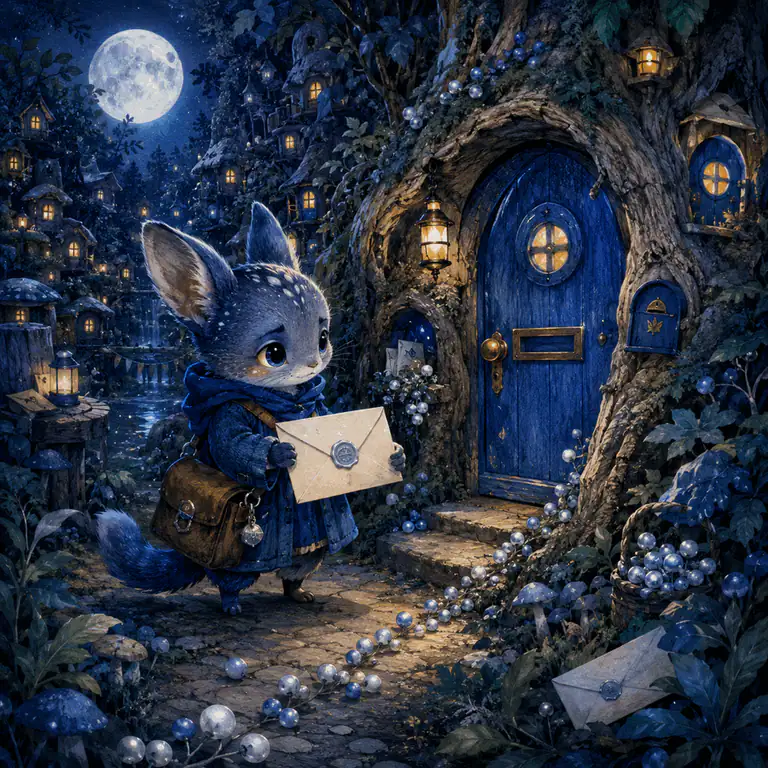
Letters, little mysteries, and a shy night courier who discovers that every voice deserves to be heard.
Explore Velumi and the Lumerra Post Office →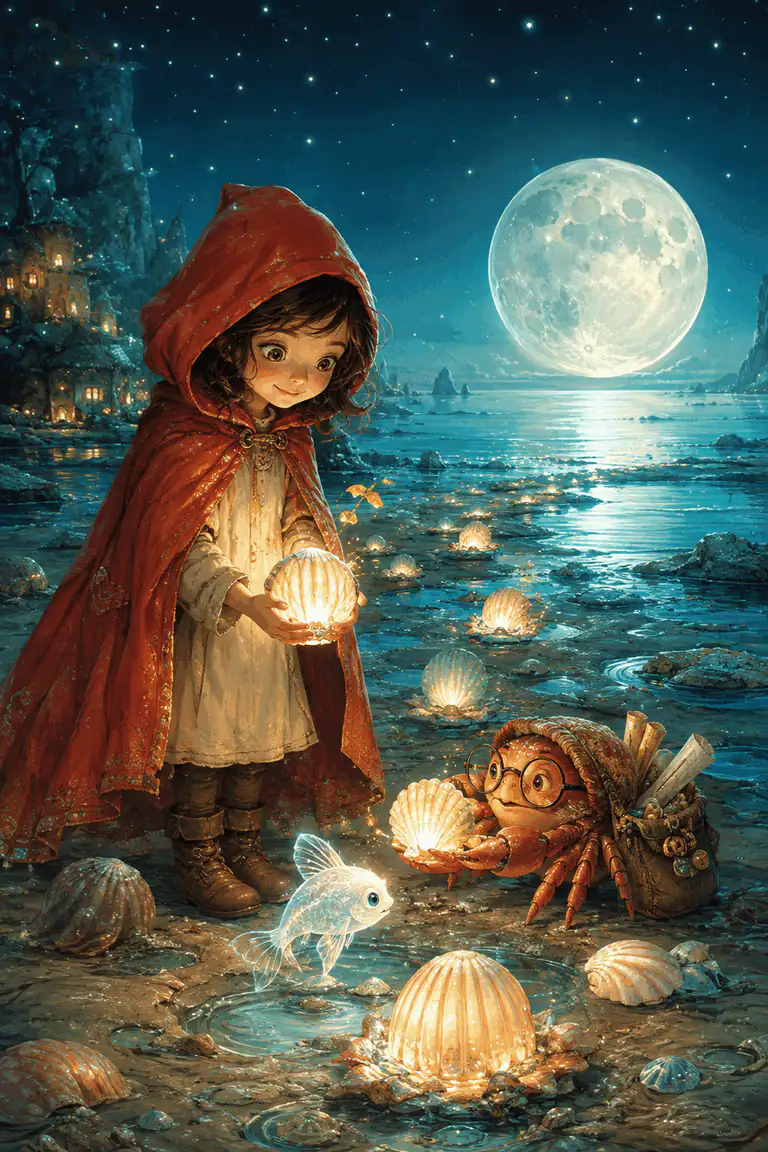
When the sea grows still, Coraquill helps a forgotten tide find the way back to the shore.
Explore Coraquill and the Tide That Forgot to Return →A gentle guide for grown-ups
A picture book gives children useful distance. They can talk about what a character might feel without being asked to disclose their own experience. That can make emotional language feel safer and more natural.
It also helps when stories allow mixed feelings. A character can be proud and nervous, disappointed and hopeful, or afraid and curious at the same time. Young children do not need every emotion reduced to a single label.
Ask what the face, hands, weather, colour, or posture suggests. Visual evidence can make an abstract feeling easier to name.
A character can be excited and worried at the same time. That complexity is useful rather than confusing.
If a child wants to keep talking about the character rather than themselves, the conversation can stay there.
For families
They can support emotional language and perspective by showing feelings in context. The strongest books usually invite recognition and conversation rather than giving a list of correct emotions.
It is an informal phrase for emotions that feel intense or hard to manage, such as anger, fear, disappointment, excitement, or sadness. Children may experience them before they have words for them.
No. Sometimes enjoying the story is enough. Questions are most useful when they arise naturally from a character, picture, or moment that caught the child’s attention.
No. Every child benefits from stories with emotionally believable characters. Feelings are part of ordinary development, friendship, play, mistakes, and family life.
From the journal
How shared picture-book reading can give children language for feelings, open gentle conversations and make emotional moments easier to explore together.
Read the article →