CourageKindnessCooperation
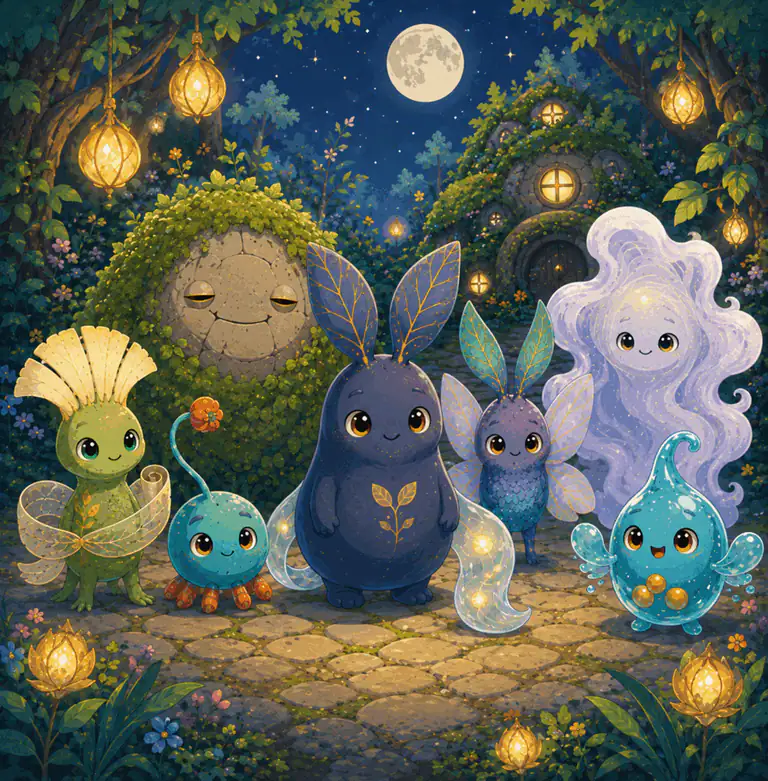
Lumari and the Garden of Sleeping Lights
Ten richly illustrated adventures in one 96-page collection about courage, kindness, and bringing the sleeping garden home again.
Explore Lumari and the Garden of Sleeping Lights → Marty TalefoxStory Worlds
Books by age · 4 years
Four-year-olds are often ready for stories with a little more cause and effect: a choice leads to a problem, a character tries something, and the result changes what happens next. These Marty Talefox books combine expressive illustration with stories about courage, feelings, imagination, and finding a way forward.
Stories to explore
At four, children often enjoy explaining what they think a character should do. The books below give them clear situations to reason about without reducing the story to a moral lesson.
Ten richly illustrated adventures in one 96-page collection about courage, kindness, and bringing the sleeping garden home again.
Explore Lumari and the Garden of Sleeping Lights →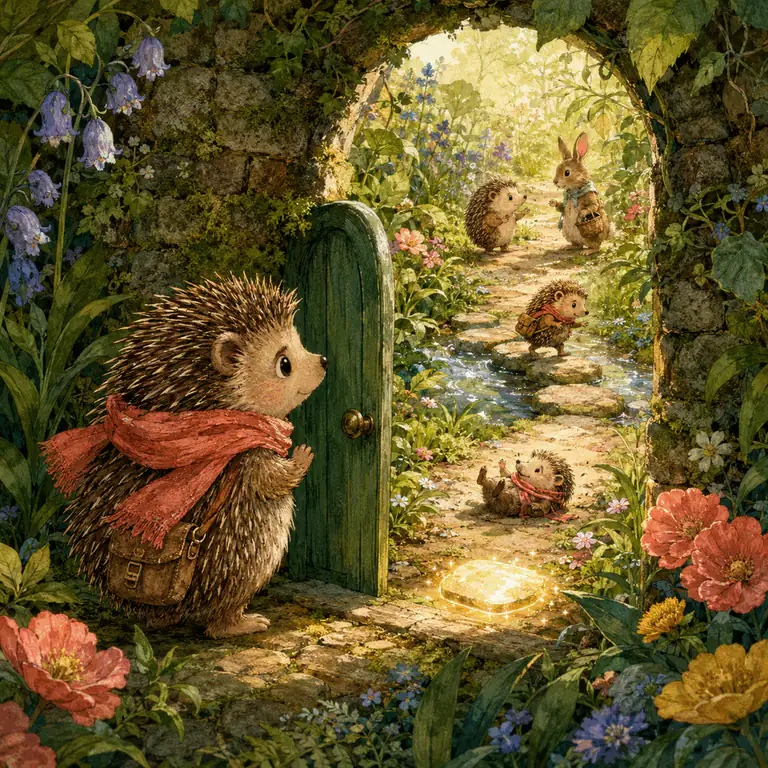
Behind a tiny garden door, courage grows one gentle step at a time.
Explore Jorali and the Door of Small Braveries →
A quiet pebble finds its voice—and learns that the smallest sound can bring a whole forest together.
Explore Rillu Who Learned to Sing →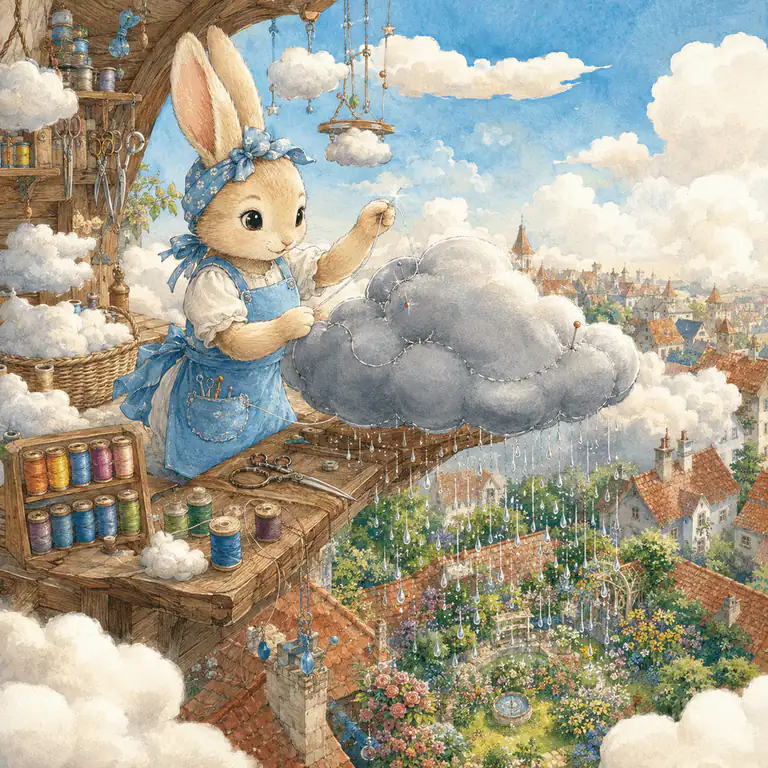
Pellumi stitches clouds for every kind of day—and finds beauty in rain as well as sunshine.
Explore Pellumi and the Cloud Tailor →A gentle guide for grown-ups
This is a useful age for prediction. Before turning a page, ask what might happen next and accept imaginative answers. The point is not to guess correctly; it is to connect clues, feelings, and possibilities.
Stories about mistakes, uncertainty, and trying again can also feel especially relevant. A character who needs help or changes a plan gives children language for experiences they are beginning to recognize in themselves.
One thoughtful why-question is often more useful than many. Give the child time to build an answer from the pictures.
Talk about what changed after a character made a choice. This naturally introduces cause and effect.
If the child invents a different ending or explanation, treat it as storytelling rather than a mistake.
For families
Look for a clear story problem, expressive illustrations, language that sounds good aloud, and enough emotional depth to invite conversation without requiring a long explanation.
They can be if they lecture. A stronger story lets the character experience the feeling inside a real adventure, so the emotional idea emerges naturally.
Invite prediction, point out a surprising visual detail, let the child turn pages, and occasionally ask what a character might be thinking.
No. Some are especially calm, but the collection is designed for shared reading at bedtime, quiet time, after preschool, or whenever a child wants a story.
From the journal
See how illustration, sentence rhythm, story length, and emotional complexity can change across the preschool years.
Read the article →