Everyday courageResilienceNew experiences
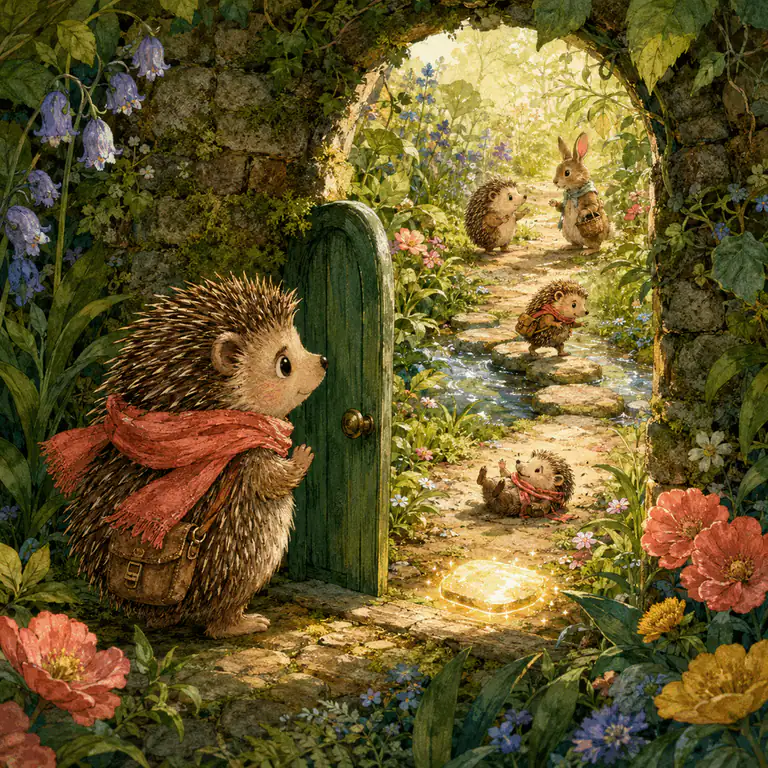
Jorali and the Door of Small Braveries
Behind a tiny garden door, courage grows one gentle step at a time.
Explore Jorali and the Door of Small Braveries → Marty TalefoxStory Worlds
Books by theme · Growth mindset
A useful growth story is not about telling children that they can do anything if they try hard enough. It shows skills changing through practice, feedback, mistakes, rest, help, and better strategies—and makes progress visible without turning every difficulty into a test of character.
Stories to explore
This collection focuses on learning, practice, strategy changes, mistakes, feedback, and realistic progress over time. The books approach the idea through different characters and situations, so children can compare choices rather than receive one fixed lesson.
Behind a tiny garden door, courage grows one gentle step at a time.
Explore Jorali and the Door of Small Braveries →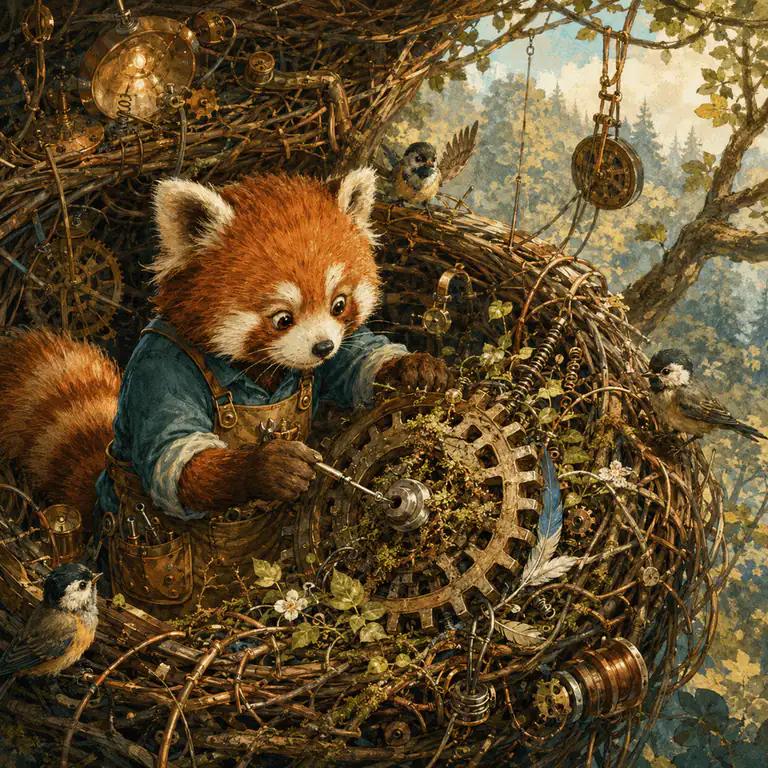
A curious red panda learns that even perfect little machines need patience, care, and imagination.
Explore Norvelli and the Clockwork Nest →
A quiet pebble finds its voice—and learns that the smallest sound can bring a whole forest together.
Explore Rillu Who Learned to Sing →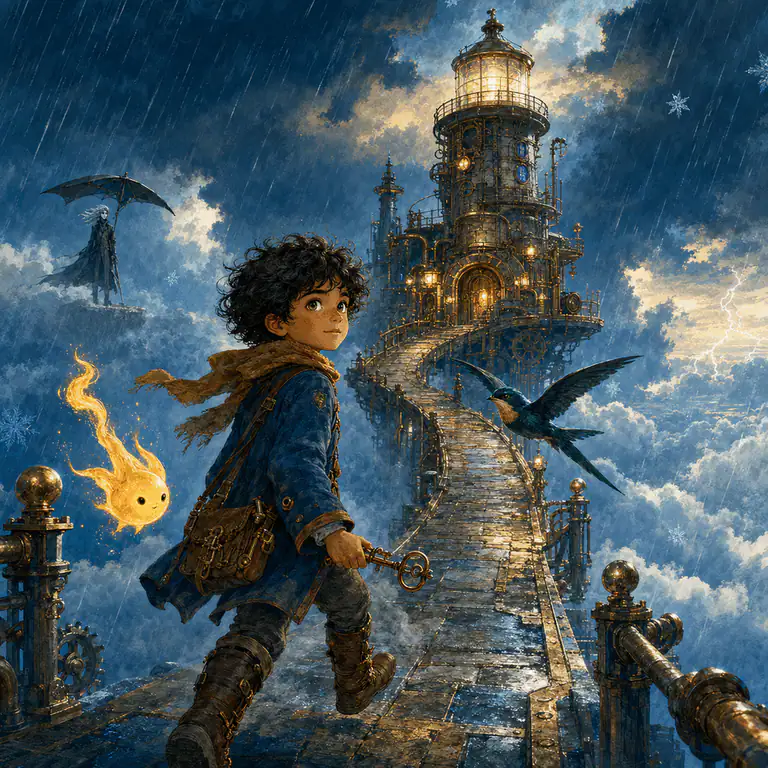
A 96-page sky adventure in two connected parts, where Aeravi must repair broken weather and confront the Heart of Stillness.
Explore Aeravi and the Lighthouse Above the Rain →A gentle guide for grown-ups
A growth-minded story works best when improvement is visible in the character’s process. Look for practice, feedback, revised strategies, small gains, and moments when the character notices something they could not do or understand earlier. This keeps growth grounded in evidence rather than slogans about believing in yourself.
Children can also see that progress is uneven. A character may improve in one area while still needing help in another, or return to an old mistake under pressure. Talking about these fluctuations can make learning feel realistic and reduce the idea that one setback erases previous progress.
Compare an early scene with a later one and identify one specific skill, choice, or understanding that has changed.
Ask what the character does differently—not only whether they ‘try harder’.
Notice whether a later mistake cancels growth or simply becomes another part of learning.
For families
It shows how change happens through practice, feedback, strategy, time, and support rather than claiming that effort automatically guarantees success.
Specific feedback is usually more useful. Notice the strategy, persistence, revision, or new understanding that actually moved the character forward.
Yes. Growth may be a better question, a more useful strategy, greater self-knowledge, or willingness to seek support even if the original goal remains unfinished.
This collection includes Jorali and the Door of Small Braveries, Norvelli and the Clockwork Nest, Rillu Who Learned to Sing, Aeravi and the Lighthouse Above the Rain.
From the journal
Why courage in stories can be small, honest and possible.
Read the article →