Everyday courageResilienceNew experiences
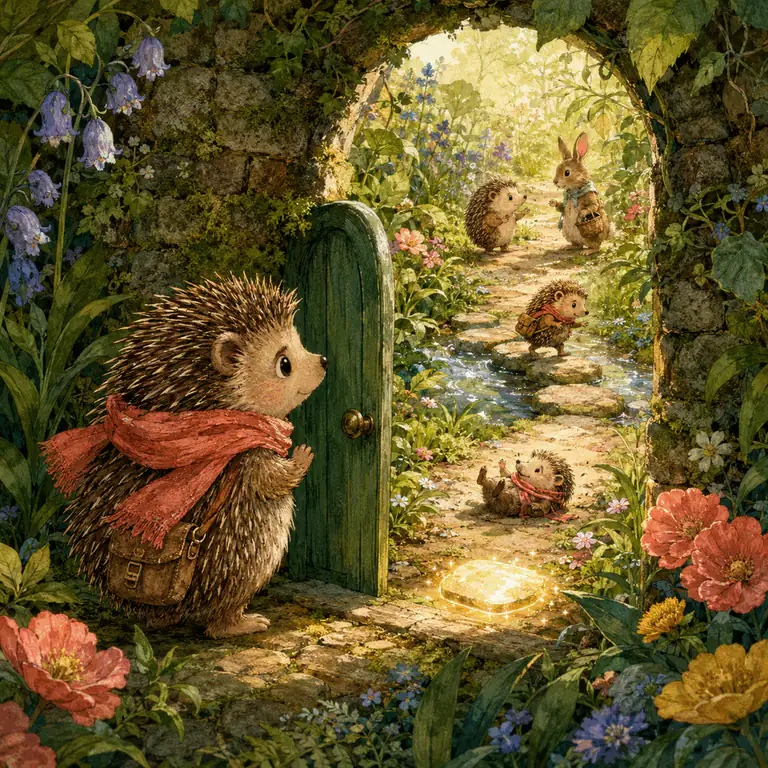
Jorali and the Door of Small Braveries
Behind a tiny garden door, courage grows one gentle step at a time.
Explore Jorali and the Door of Small Braveries → Marty TalefoxStory Worlds
Books by theme · Resilience
Resilience in children’s stories should not mean never feeling upset or simply trying harder forever. These books show a more realistic pattern: a setback changes the situation, the character feels it, finds support or a new idea, and chooses a manageable next step.
Stories to explore
This collection focuses on setbacks, recovery, support, adaptation, and continuing without pretending difficult feelings have vanished. The books approach the idea through different characters and situations, so children can compare choices rather than receive one fixed lesson.
Behind a tiny garden door, courage grows one gentle step at a time.
Explore Jorali and the Door of Small Braveries →
A 96-page sky adventure in two connected parts, where Aeravi must repair broken weather and confront the Heart of Stillness.
Explore Aeravi and the Lighthouse Above the Rain →
A quiet pebble finds its voice—and learns that the smallest sound can bring a whole forest together.
Explore Rillu Who Learned to Sing →
Ten richly illustrated adventures in one 96-page collection about courage, kindness, and bringing the sleeping garden home again.
Explore Lumari and the Garden of Sleeping Lights →A gentle guide for grown-ups
Resilience is not the absence of fear, frustration, or rest. In a story, look at what helps a character recover enough to take the next step: a pause, a new idea, encouragement, practice, or support from someone else. This makes resilience a process rather than a personality trait that a child either has or lacks.
It can also be helpful to notice when persistence should stop. Sometimes the resilient choice is to change strategy, accept a limit, or choose a different goal. Stories that include flexibility prevent ‘never give up’ from becoming pressure and show that recovery can involve both effort and self-protection.
Find the moment after a setback when the character becomes ready to act again and ask what made that possible.
Notice whether the character repeats the same attempt or changes something based on what happened.
Look for pauses, comfort, help, or preparation that contribute to the eventual next step.
For families
It can look like recovering after disappointment, trying a revised plan, accepting support, resting, or adapting to a change while continuing toward something meaningful.
Not always. Healthy resilience includes knowing when to persist, when to change strategy, and when a goal or situation needs to be reconsidered.
Yes. Resilience is about what happens around and after difficult feelings, not about eliminating those feelings.
This collection includes Jorali and the Door of Small Braveries, Aeravi and the Lighthouse Above the Rain, Rillu Who Learned to Sing, Lumari and the Garden of Sleeping Lights.
From the journal
Why courage in stories can be small, honest and possible.
Read the article →