Mindful listeningMemoryWonder
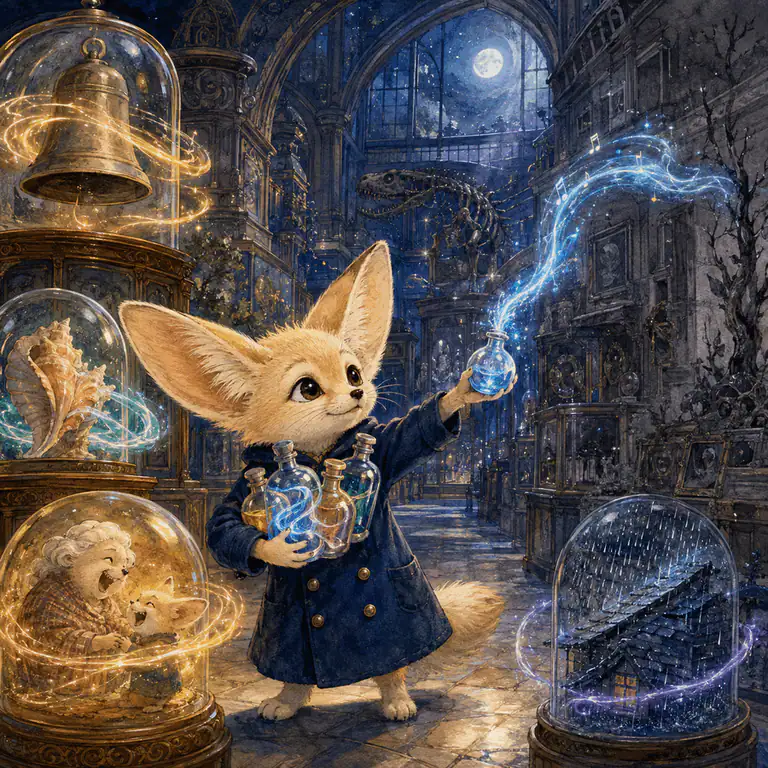
Sovari and the Archive of Vanishing Sounds
Sovari gathers forgotten bells, waves, whispers, and laughter—and helps the world hear them again.
Explore Sovari and the Archive of Vanishing Sounds → Marty TalefoxStory Worlds
Books by theme · The senses
Sensory stories invite children to notice how a world feels, sounds, looks, moves, and changes rather than only following events. These books use sound, colour, water, texture, light, and small environmental details as part of the storytelling, making close looking and listening meaningful to the plot.
Stories to explore
This collection focuses on sound, sight, texture, movement, colour, and the way sensory clues help characters understand what is happening. The books approach the idea through different characters and situations, so children can compare choices rather than receive one fixed lesson.
Sovari gathers forgotten bells, waves, whispers, and laughter—and helps the world hear them again.
Explore Sovari and the Archive of Vanishing Sounds →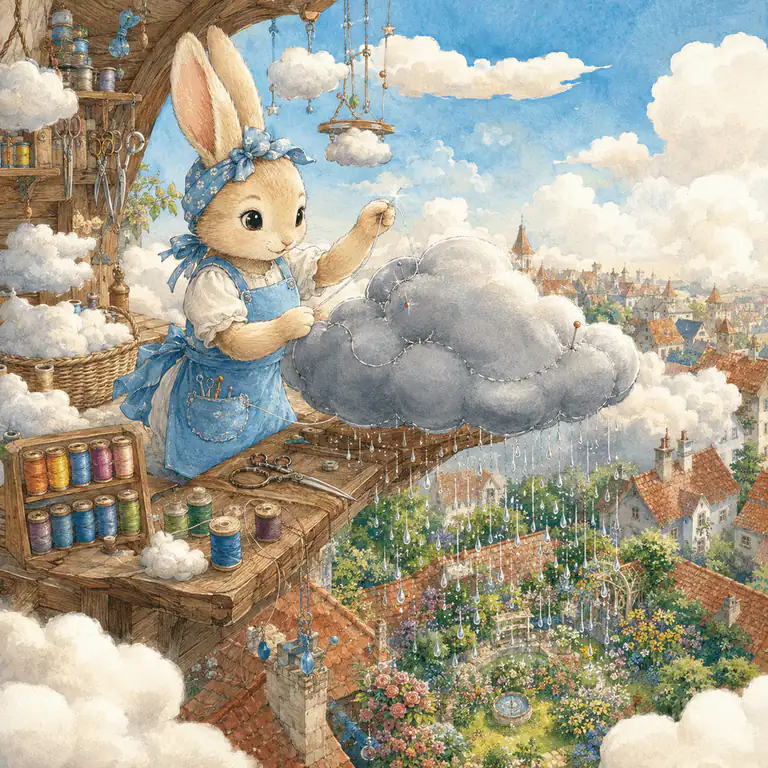
Pellumi stitches clouds for every kind of day—and finds beauty in rain as well as sunshine.
Explore Pellumi and the Cloud Tailor →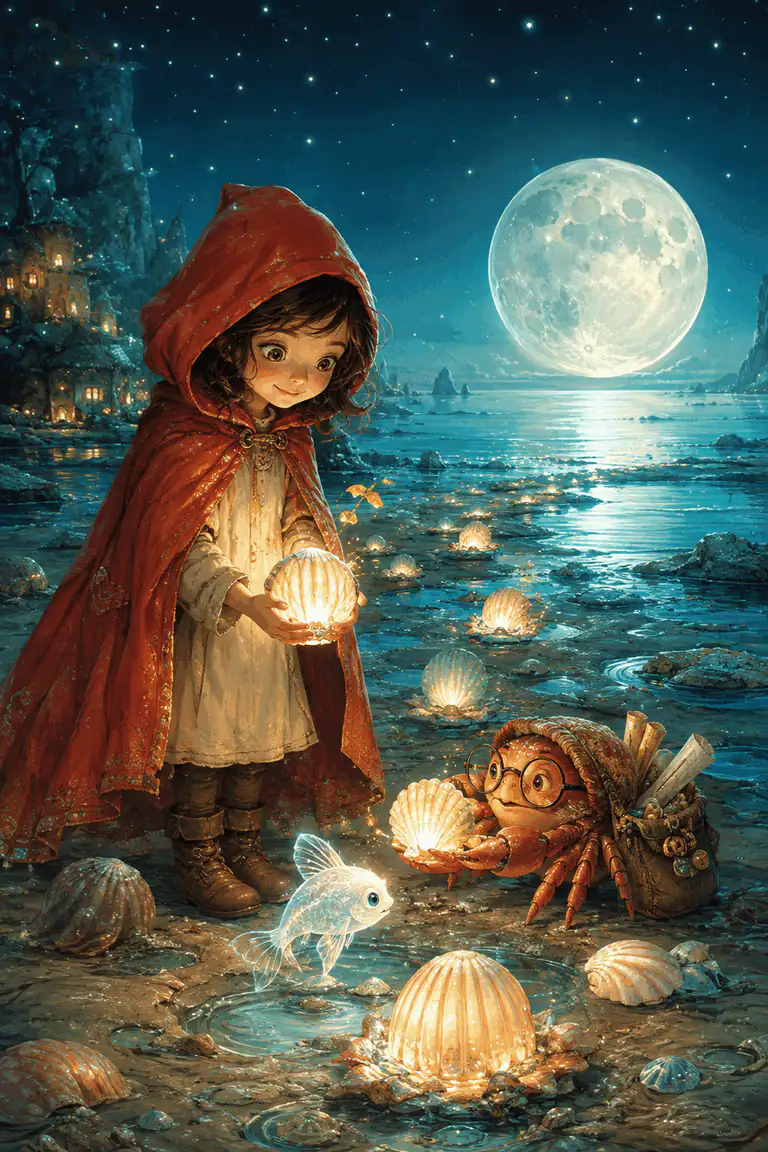
When the sea grows still, Coraquill helps a forgotten tide find the way back to the shore.
Explore Coraquill and the Tide That Forgot to Return →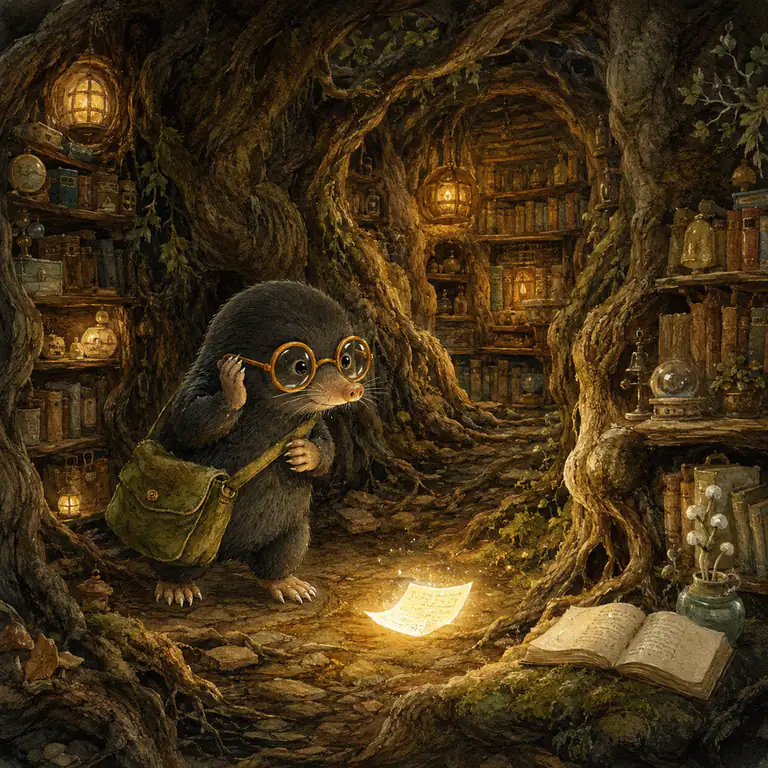
Below an ancient tree, forgotten stories wait for a careful listener.
Explore Meruni and the Library Under the Roots →A gentle guide for grown-ups
Sensory picture books can do more than name the five senses. A sound can warn a character, a texture can reveal that an object is different, a smell can trigger a memory, or a change in light can alter the mood. Ask what information a character receives through the body and how that information affects the next choice.
Illustrations naturally privilege sight, so it is useful to imagine the less visible senses too. What might this place sound like? Would the air feel cold or humid? Which object might have a strong smell? These questions can deepen descriptive language while keeping the discussion connected to the scene rather than becoming a vocabulary drill.
Ask which sense gives the character the most important clue in a particular scene and why.
Add a likely sound, temperature, texture, smell, or taste to one illustrated setting.
Notice whether two characters pay attention to different sensations in the same place.
After reading, choose a room, garden, or walking route and find one real-world detail for each available sense. Then compare which detail would make the strongest story clue.
For families
They give sensory words a meaningful context: children can connect sound, texture, temperature, smell, taste, light, and movement to what a character is experiencing.
No. A story may focus deeply on one or two senses and still encourage careful observation and rich descriptive language.
That can be part of the discussion. People may find the same sound, texture, brightness, or smell pleasant, distracting, intense, or barely noticeable.
Yes. A short sensory hunt can extend the story without turning it into a worksheet: notice a sound, colour, texture, smell, or taste nearby and imagine how a character might use that detail as a clue.
This collection includes Sovari and the Archive of Vanishing Sounds, Pellumi and the Cloud Tailor, Coraquill and the Tide That Forgot to Return, Meruni and the Library Under the Roots.
From the journal
Simple open questions that keep a shared reading experience alive after the last page.
Read the article →