PatienceCreativityProblem-solving
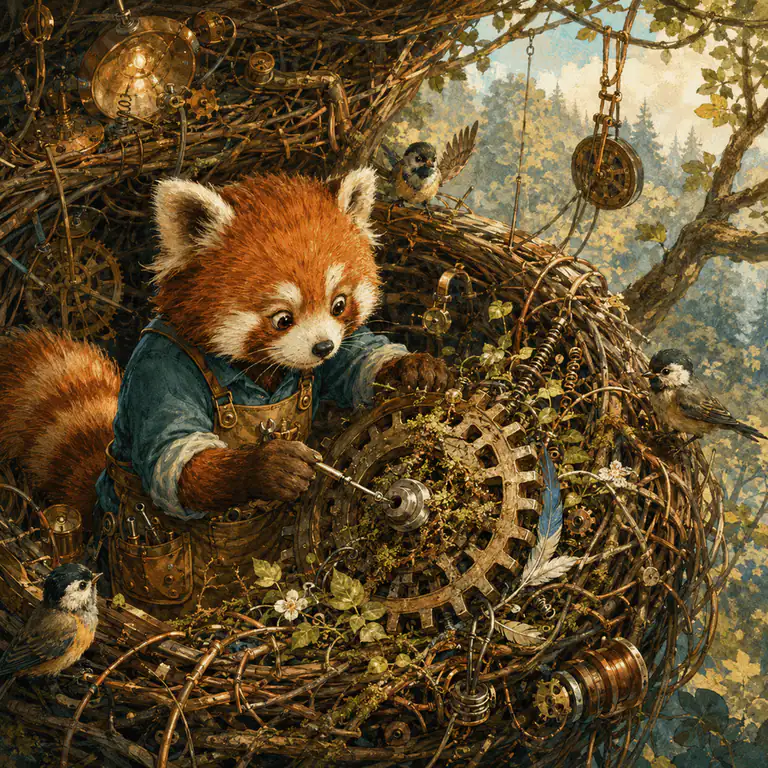
Norvelli and the Clockwork Nest
A curious red panda learns that even perfect little machines need patience, care, and imagination.
Explore Norvelli and the Clockwork Nest → Marty TalefoxStory Worlds
Books by theme · Acceptance
Acceptance does not mean liking every outcome or giving up on change. These stories explore a gentler idea: making room for feelings, differences, mistakes, and imperfect results before deciding what truly needs to be fixed.
Stories to explore
This collection focuses on imperfection, emotional acceptance, differences, and responding without rushing to erase what feels uncomfortable. The books approach the idea through different characters and situations, so children can compare choices rather than receive one fixed lesson.
A curious red panda learns that even perfect little machines need patience, care, and imagination.
Explore Norvelli and the Clockwork Nest →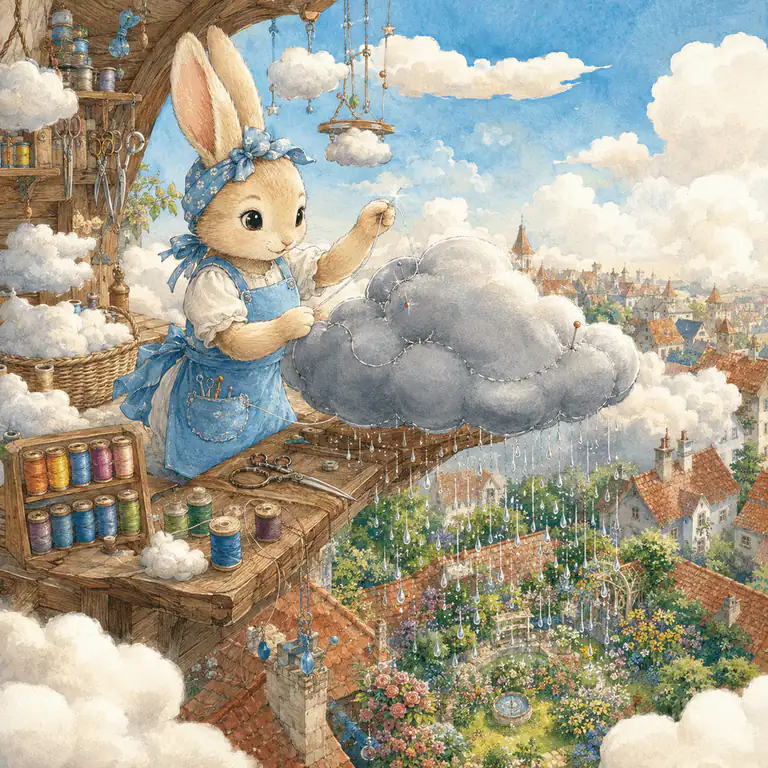
Pellumi stitches clouds for every kind of day—and finds beauty in rain as well as sunshine.
Explore Pellumi and the Cloud Tailor →
A quiet pebble finds its voice—and learns that the smallest sound can bring a whole forest together.
Explore Rillu Who Learned to Sing →
Ten richly illustrated adventures in one 96-page collection about courage, kindness, and bringing the sleeping garden home again.
Explore Lumari and the Garden of Sleeping Lights →A gentle guide for grown-ups
Acceptance stories can help children distinguish between a problem that needs action and a difference that simply needs room. Watch what happens when a character stops fighting the fact that something is imperfect, unexpected, or unlike everyone else. The change may happen in the character’s response rather than in the situation itself.
This does not mean that every difficult feeling or unfair situation should be accepted without question. A useful story leaves space for sadness, frustration, boundaries, and change. The key is noticing when the urge to ‘fix’ something comes from discomfort with difference rather than from a real need for repair.
Separate harm or a practical problem from something that is merely unusual, imperfect, or different.
Look for moments when a character changes themselves mainly to meet somebody else’s expectation.
A character can accept reality and still feel disappointed, uncertain, or sad about part of it.
For families
No. Acceptance means recognising reality or difference clearly; it can exist alongside boundaries, disappointment, problem-solving, or a decision to change what is changeable.
It can show that mistakes and uneven results are part of learning while still allowing characters to repair, practise, or improve where improvement matters.
Ask what the character first wanted to erase or change, what they later understood, and whether the final situation actually became different.
This collection includes Norvelli and the Clockwork Nest, Pellumi and the Cloud Tailor, Rillu Who Learned to Sing, Lumari and the Garden of Sleeping Lights.
From the journal
How shared picture-book reading can give children language for feelings, open gentle conversations and make emotional moments easier to explore together.
Read the article →