
Self-expressionBelongingConfidence
Rillu Who Learned to Sing
A quiet pebble finds its voice—and learns that the smallest sound can bring a whole forest together.
Explore Rillu Who Learned to Sing → Marty TalefoxStory Worlds
Books by theme · Belonging
Belonging is more than being invited into a group. These stories ask whether a character can participate without hiding what makes them quiet, unusual, unsure, or different, and how a community changes when it makes genuine room for more than one way of being.
Stories to explore
This collection focuses on inclusion, identity, participation, and feeling valued without having to become like everyone else. The books approach the idea through different characters and situations, so children can compare choices rather than receive one fixed lesson.
A quiet pebble finds its voice—and learns that the smallest sound can bring a whole forest together.
Explore Rillu Who Learned to Sing →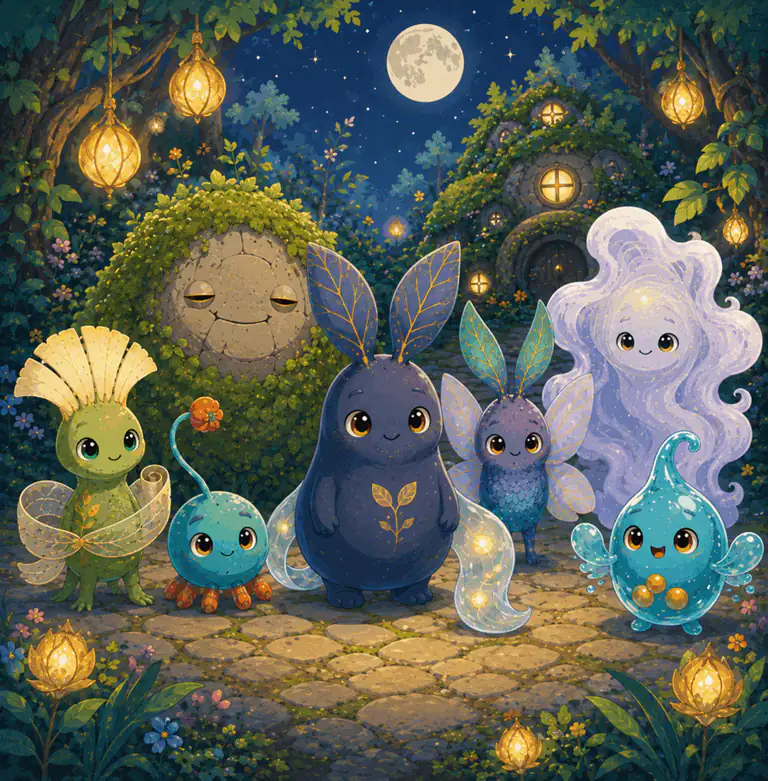
Ten richly illustrated adventures in one 96-page collection about courage, kindness, and bringing the sleeping garden home again.
Explore Lumari and the Garden of Sleeping Lights →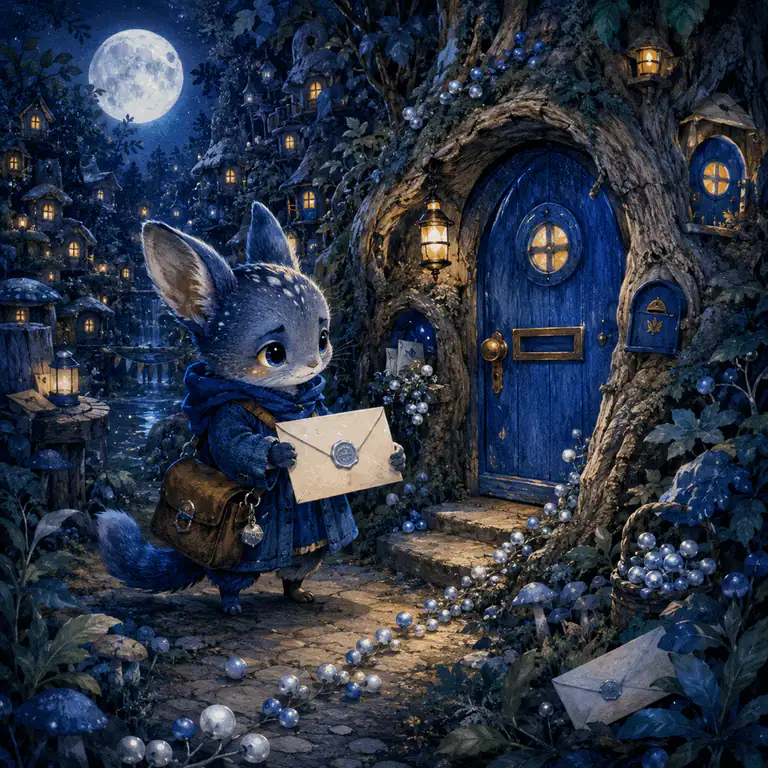
Letters, little mysteries, and a shy night courier who discovers that every voice deserves to be heard.
Explore Velumi and the Lumerra Post Office →
A gentle illustrated adventure about the little beginnings of a day that are too precious to lose.
Explore Elnori and the House of Borrowed Mornings →A gentle guide for grown-ups
Belonging is not only about getting an invitation. In a story, ask whether the character can participate without hiding the part of themselves that is quiet, unusual, uncertain, or different. A group may include someone physically while still leaving no room for their voice, pace, traditions, or way of contributing.
The most revealing moment is often when the community changes too. If only the outsider has to adapt, the story is about fitting in more than belonging. Look for shared adjustments: somebody listens differently, a rule changes, a role opens, or a contribution that was overlooked becomes valuable.
Ask whether the character can influence what the group does or is simply allowed to stand nearby.
Compare how the newcomer changes with how the group itself changes in response.
Look for a moment when the character’s idea, presence, or way of doing something genuinely matters.
For families
Inclusion means a character is allowed in; belonging goes further and shows that their presence, perspective, or contribution has real value inside the group.
Yes. Strong belonging stories make room for difference rather than presenting sameness as the price of acceptance.
Illustrations make social details visible: who stands apart, who is listened to, how space is shared, and whether a character’s role changes over time.
This collection includes Rillu Who Learned to Sing, Lumari and the Garden of Sleeping Lights, Velumi and the Lumerra Post Office, Elnori and the House of Borrowed Mornings.
From the journal
How illustrations and story choices can help children notice another character’s point of view, needs and feelings without turning reading into a lesson.
Read the article →