ListeningMemoryBooks
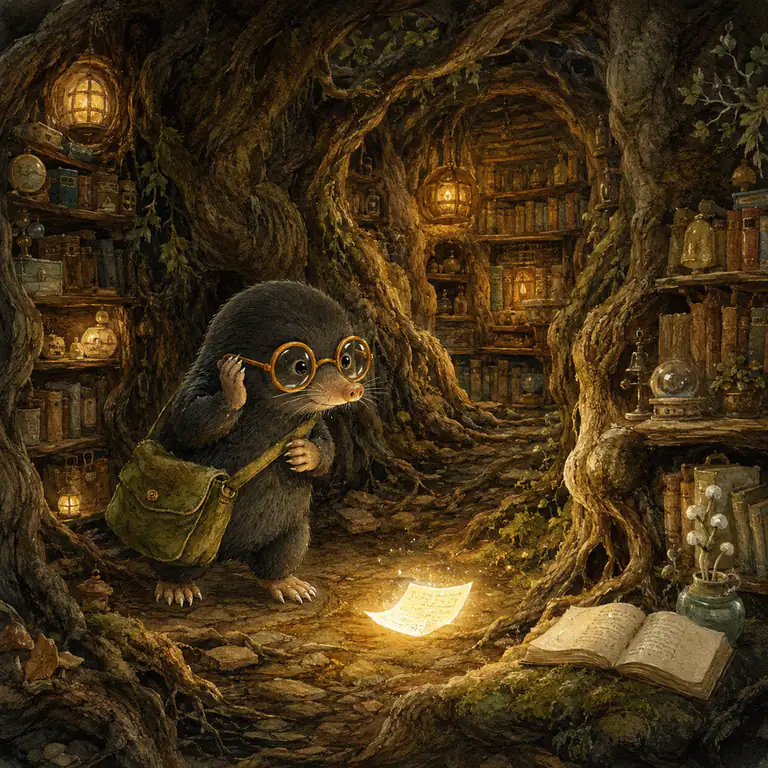
Meruni and the Library Under the Roots
Below an ancient tree, forgotten stories wait for a careful listener.
Explore Meruni and the Library Under the Roots → Marty TalefoxStory Worlds
Books by theme · Memory
Memory in a story can be personal, shared, sensory, or tied to a place. These books explore what happens when a sound, story, morning, or familiar rhythm begins to disappear—and how remembering can involve listening, retelling, caring for objects, and making new meaning rather than simply storing facts.
Stories to explore
This collection focuses on remembering people, places, sounds, stories, and routines while allowing memories to change as they are retold. The books approach the idea through different characters and situations, so children can compare choices rather than receive one fixed lesson.
Below an ancient tree, forgotten stories wait for a careful listener.
Explore Meruni and the Library Under the Roots →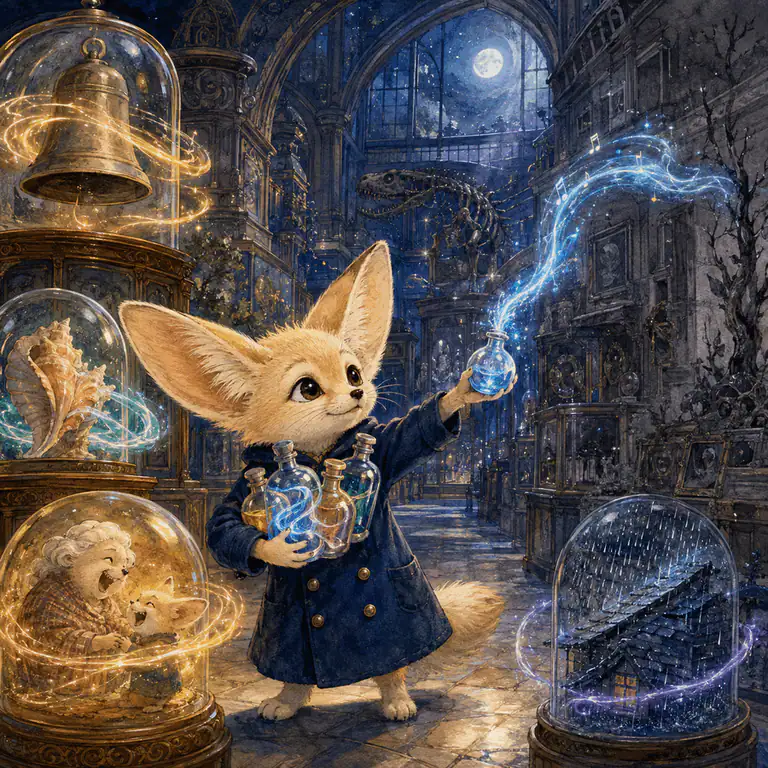
Sovari gathers forgotten bells, waves, whispers, and laughter—and helps the world hear them again.
Explore Sovari and the Archive of Vanishing Sounds →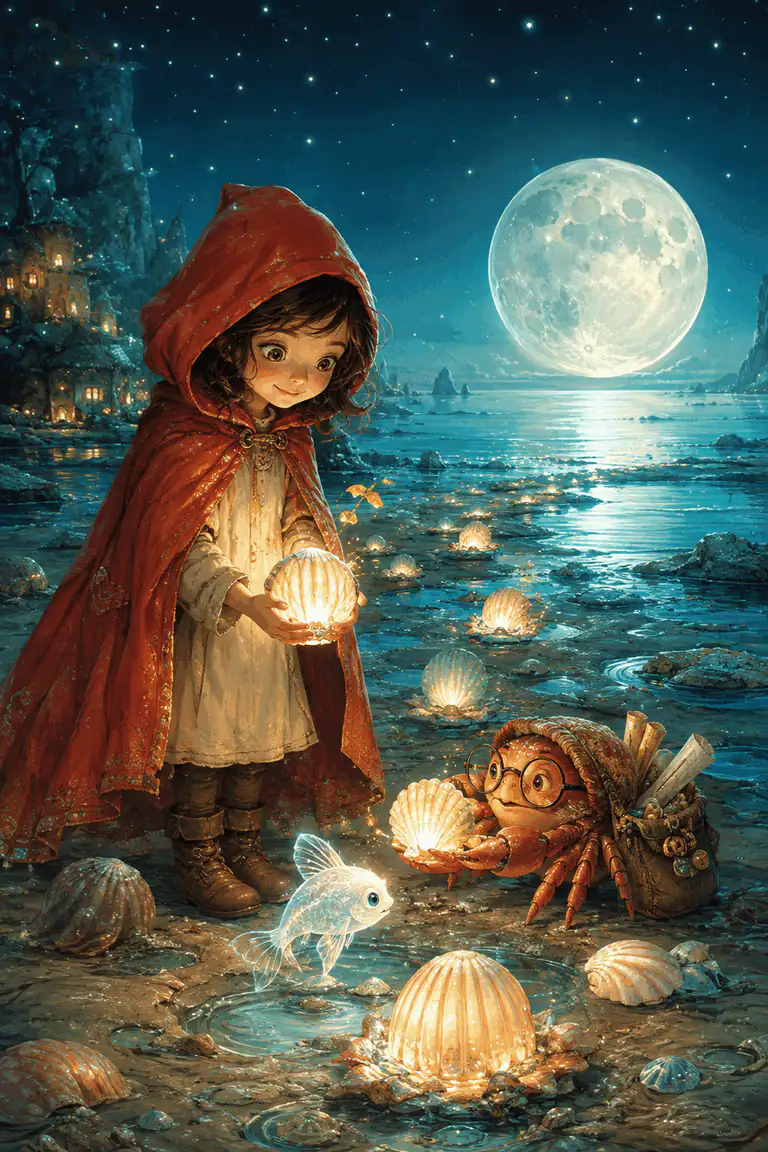
When the sea grows still, Coraquill helps a forgotten tide find the way back to the shore.
Explore Coraquill and the Tide That Forgot to Return →
A gentle illustrated adventure about the little beginnings of a day that are too precious to lose.
Explore Elnori and the House of Borrowed Mornings →A gentle guide for grown-ups
Memory in a picture book can be more than remembering facts. A place, sound, object, routine, or story may hold part of a character’s past and change how the present feels. Ask what triggers a memory and what the character understands differently after it returns.
Stories can also show that memory is selective. Two characters may remember the same event differently, or an old object may mean something to one person and almost nothing to another. This opens a gentle way to discuss perspective, family history, loss, and continuity without requiring a child to share a personal memory.
Look for the sound, object, place, or phrase that causes the past to become important in the present scene.
If characters remember differently, ask what each one may have noticed or cared about at the time.
Ask why a character chooses to keep a story, object, message, or ritual instead of letting it disappear.
For families
Images can connect past and present visually, making abstract ideas such as remembering, forgetting, inheritance, and change easier to follow.
Yes. A story can gently show that people notice different details and may hold different versions of the same event without making either person dishonest.
No. They can include loss, but they can also focus on continuity, family rituals, funny recollections, treasured places, or the pleasure of keeping something meaningful.
This collection includes Meruni and the Library Under the Roots, Sovari and the Archive of Vanishing Sounds, Coraquill and the Tide That Forgot to Return, Elnori and the House of Borrowed Mornings.
From the journal
Why repeated picture-book reading can support confidence, language, close observation and the pleasure of knowing what comes next.
Read the article →