ImaginationCuriosityStorytelling
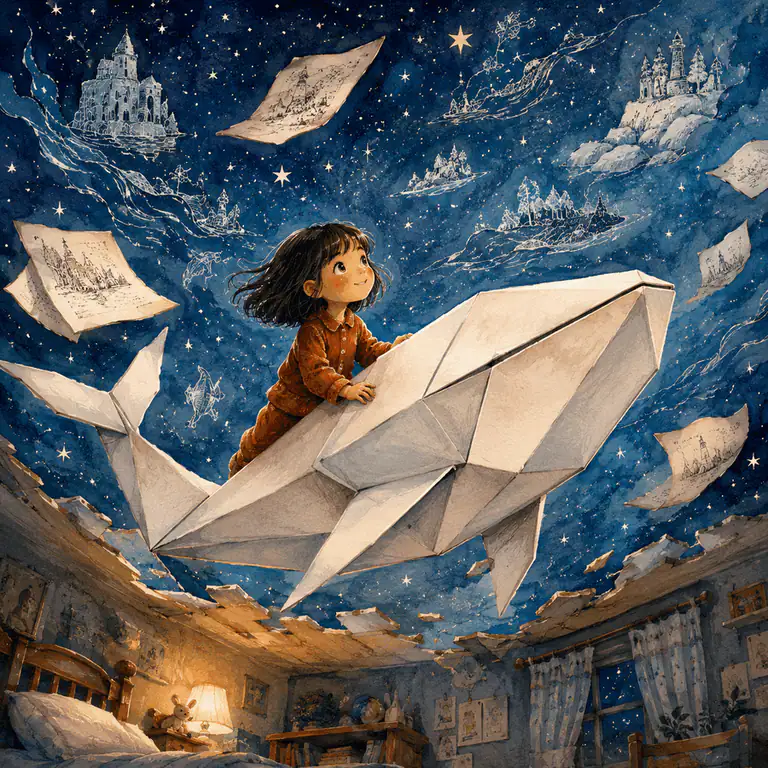
Ovellia and the Paper Whale
One folded whale carries Ovellia into a sky made of stories, stars, and possibility.
Explore Ovellia and the Paper Whale → Marty TalefoxStory Worlds
Books by theme · Stories & reading
Some picture books make reading itself part of the adventure: pages open doors, letters carry voices, libraries hold memories, and a character discovers that telling a story can change what is possible. This collection celebrates books without turning reading into homework.
Stories to explore
This collection focuses on storytelling, books, letters, libraries, and the pleasure of making meaning from words and pictures. The books approach the idea through different characters and situations, so children can compare choices rather than receive one fixed lesson.
One folded whale carries Ovellia into a sky made of stories, stars, and possibility.
Explore Ovellia and the Paper Whale →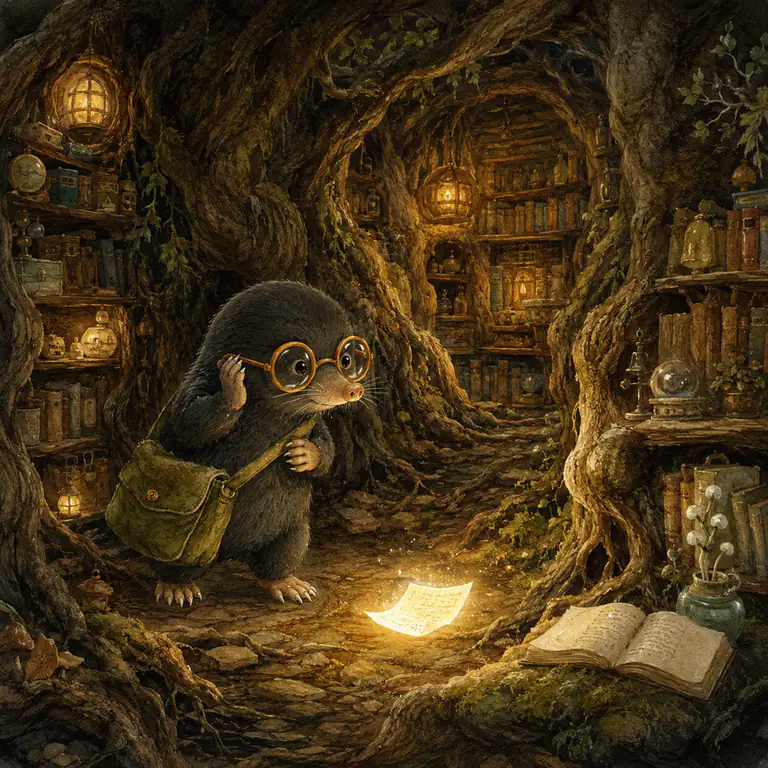
Below an ancient tree, forgotten stories wait for a careful listener.
Explore Meruni and the Library Under the Roots →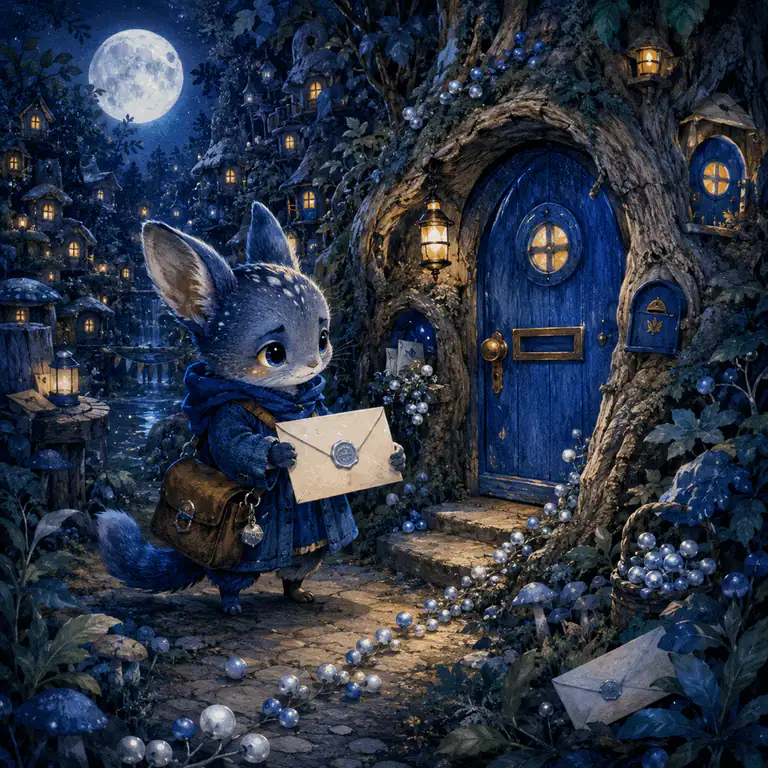
Letters, little mysteries, and a shy night courier who discovers that every voice deserves to be heard.
Explore Velumi and the Lumerra Post Office →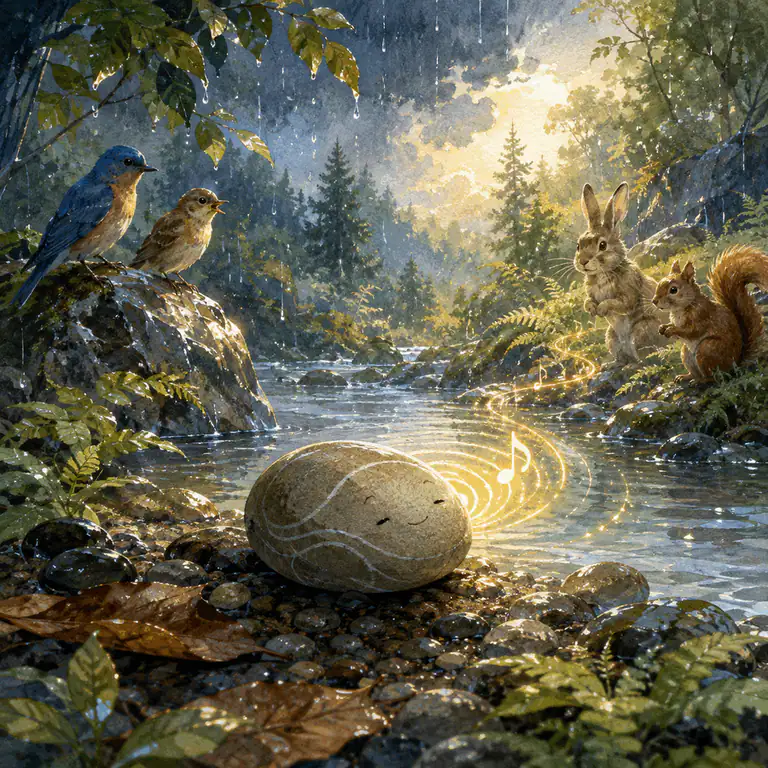
A quiet pebble finds its voice—and learns that the smallest sound can bring a whole forest together.
Explore Rillu Who Learned to Sing →A gentle guide for grown-ups
Books about stories and reading can turn the act of reading into part of the adventure. Characters may preserve a memory, pass on a message, invent an ending, or discover that the same event can be told in more than one way. This gives children a chance to think about who tells a story and what gets remembered.
While reading, compare words with pictures and notice where they add different information. Children can also experiment with retelling: choose one scene, change the narrator, or imagine what happened just outside the page. That kind of play develops narrative awareness without turning the book into a formal literacy exercise.
Notice whose point of view shapes the scene and whose version of events is missing or only shown in pictures.
Invite the child to tell a favourite scene in their own words rather than summarising the whole book.
Look for one detail the illustration contributes that the written sentence does not explain.
For families
They can help children notice narration, memory, point of view, sequence, and the way stories carry experiences between people.
Yes. Retelling supports sequence, vocabulary, causal connections, and understanding of story structure even when the child is not reading the printed words independently.
No. A personal retelling can show what the child noticed and understood, and invented details can become a form of storytelling rather than an error.
This collection includes Ovellia and the Paper Whale, Meruni and the Library Under the Roots, Velumi and the Lumerra Post Office, Rillu Who Learned to Sing.
From the journal
Why repeated picture-book reading can support confidence, language, close observation and the pleasure of knowing what comes next.
Read the article →