
CourageKindnessCooperation
Lumari and the Garden of Sleeping Lights
Ten richly illustrated adventures in one 96-page collection about courage, kindness, and bringing the sleeping garden home again.
Explore Lumari and the Garden of Sleeping Lights → Marty TalefoxStory Worlds
Books by need · Worry, fear & shyness
A child does not need a story that tells them to stop worrying or to be more confident. It can be more useful to meet a character who feels unsure, hesitates, asks for help, tries a manageable next step, or discovers that a quiet voice still counts. These Marty Talefox books approach worry, fear, shyness, and new experiences without treating those feelings as failures.
Stories to explore
Lumari, Jorali, Rillu, and Lumerra do not become fearless versions of themselves. Their stories focus on small choices, finding a voice, accepting help, and discovering what becomes possible next.
Ten richly illustrated adventures in one 96-page collection about courage, kindness, and bringing the sleeping garden home again.
Explore Lumari and the Garden of Sleeping Lights →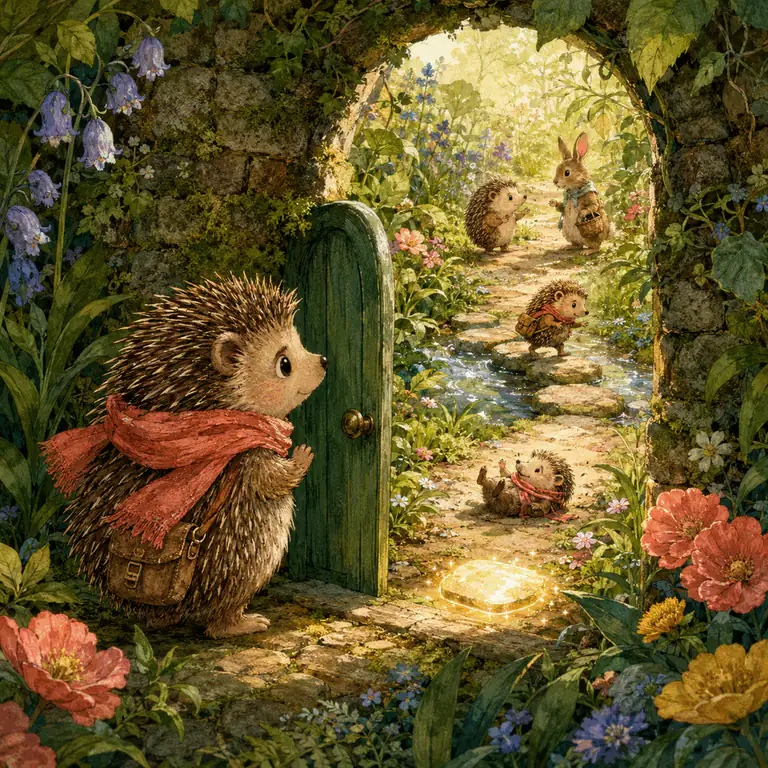
Behind a tiny garden door, courage grows one gentle step at a time.
Explore Jorali and the Door of Small Braveries →
A quiet pebble finds its voice—and learns that the smallest sound can bring a whole forest together.
Explore Rillu Who Learned to Sing →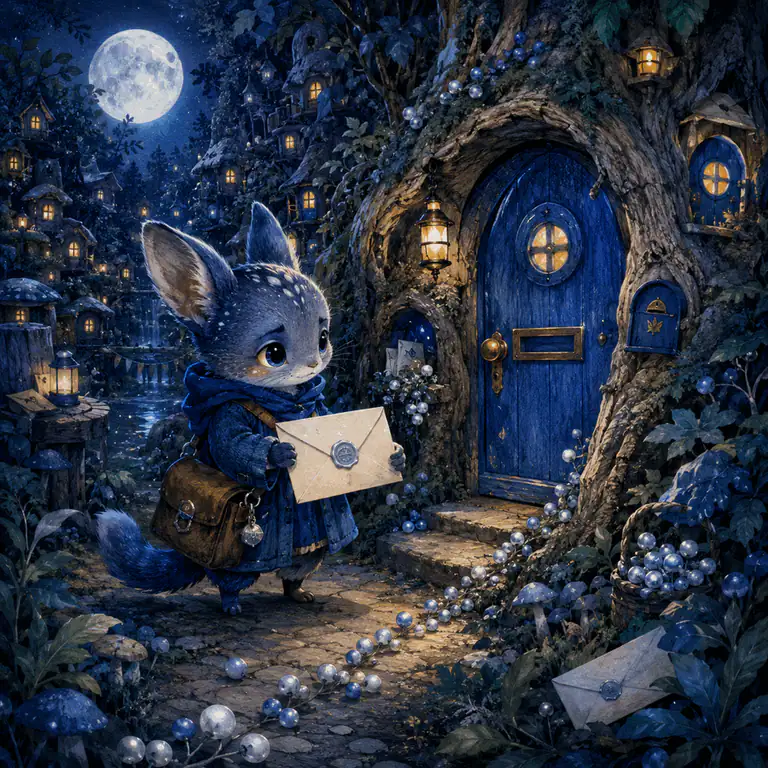
Letters, little mysteries, and a shy night courier who discovers that every voice deserves to be heard.
Explore Velumi and the Lumerra Post Office →A gentle guide for grown-ups
A fictional character creates useful distance. Children can talk about what Jorali or Rillu might be feeling without being asked to explain their own worry before they are ready.
It also helps when stories avoid instant transformation. A character can remain cautious or quiet and still make a meaningful choice, ask for help, or find a way forward.
Let the child decide whether the story reminds them of their own experience.
Ask what person, object, idea, or previous experience helped the character take the next step.
A character can act courageously while still feeling uncertain.
For families
Stories can offer language, distance, and examples of coping or support, but they are not a substitute for professional help when worry is persistent or seriously affects daily life.
Not necessarily. Sometimes an indirect story is easier to engage with because it gives the child more emotional distance.
They do not need to. A good story can value a quiet personality while showing that the character’s voice, choices, and needs still matter.
Small, realistic courage: asking for help, speaking one sentence, trying again, entering a new situation slowly, or admitting uncertainty.
From the journal
How predictable structure, manageable challenges, supportive relationships and real choices can help worried children stay engaged with a story.
Read the article →